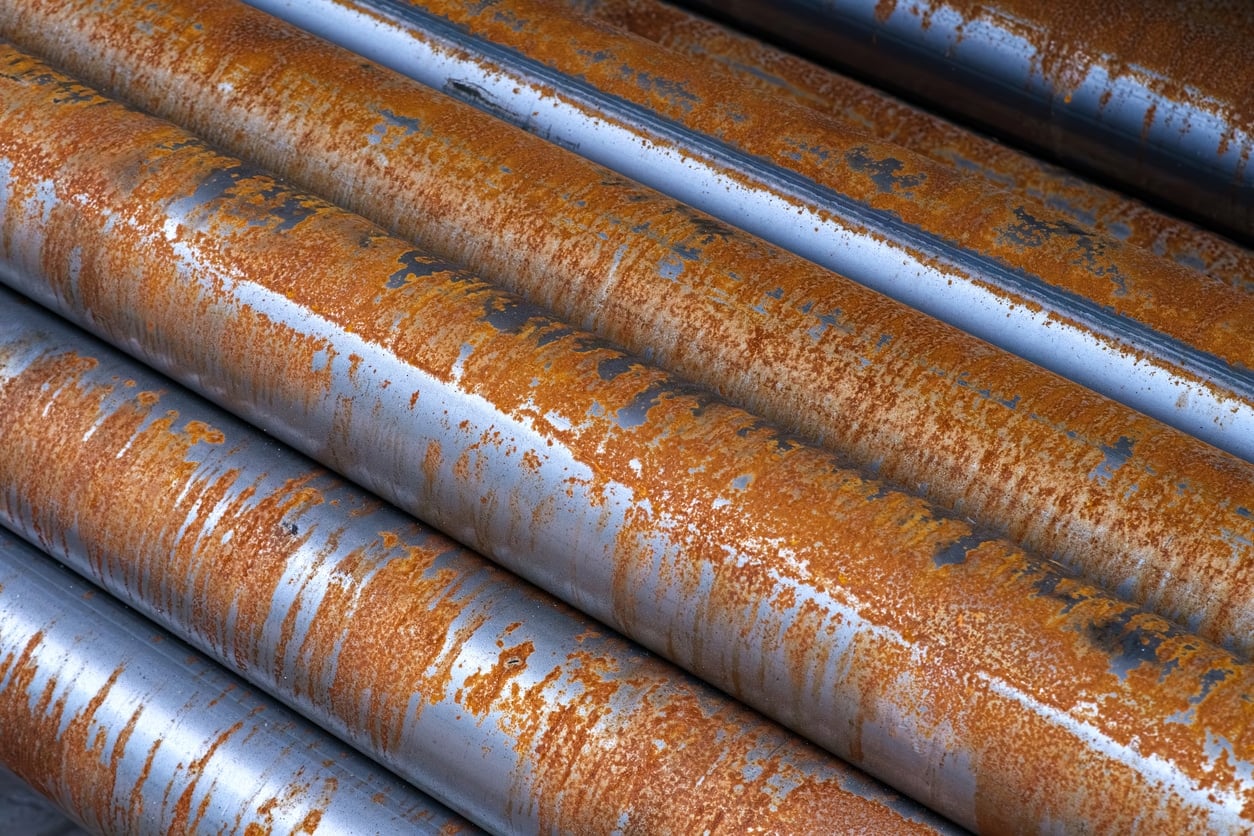
Selecting raw steel stock for marine applications leaves no margin for error. Saltwater exposure, constant…
The Scrap Metal Trap: Why Buying Mill-Length Steel Is Burning Your Procurement Budget (And the Math That Proves It)
In industrial steel procurement, line-item price per pound is one of the most deceptive metrics on a bill of materials (BOM). When purchasing managers evaluate vendor bids for 4140 alloy bar, 1045 keystock, or 316L stainless shafting, ordering standard 20-foot or 24-foot mill-length bars often appears to be the most cost-effective decision. The unit price looks lower, volume discounts kick in, and the purchase order gets signed.
However, what appears to be a savvy cost-saving maneuver on paper frequently turns into a margin-draining money pit on the shop floor. The gap between raw material purchase price and true landed component cost is paved with hidden overhead: wasted floor space, high-wage operator downtime, inflated freight charges for material destined for the scrap bin, and tied-up working capital.
To protect operating margins, modern procurement leaders are shifting away from bulk commodity buying toward precision, application-ready steel sourcing. Understanding why buying mill-length stock erodes profitability—and examining the exact procurement math behind it—demonstrates why custom cut-to-length steel is a powerful cost-reduction strategy.
The Hidden Overhead of Mill-Length Bar Stock
Buying raw steel in full mill lengths transfers the burden of initial material processing from the distributor straight onto your manufacturing facility. While this might seem acceptable if your shop possesses industrial sawing capabilities, the true cost extends far beyond a few minutes of saw blade run time.
1. Paying Freight on Material Destined for the Scrap Bin
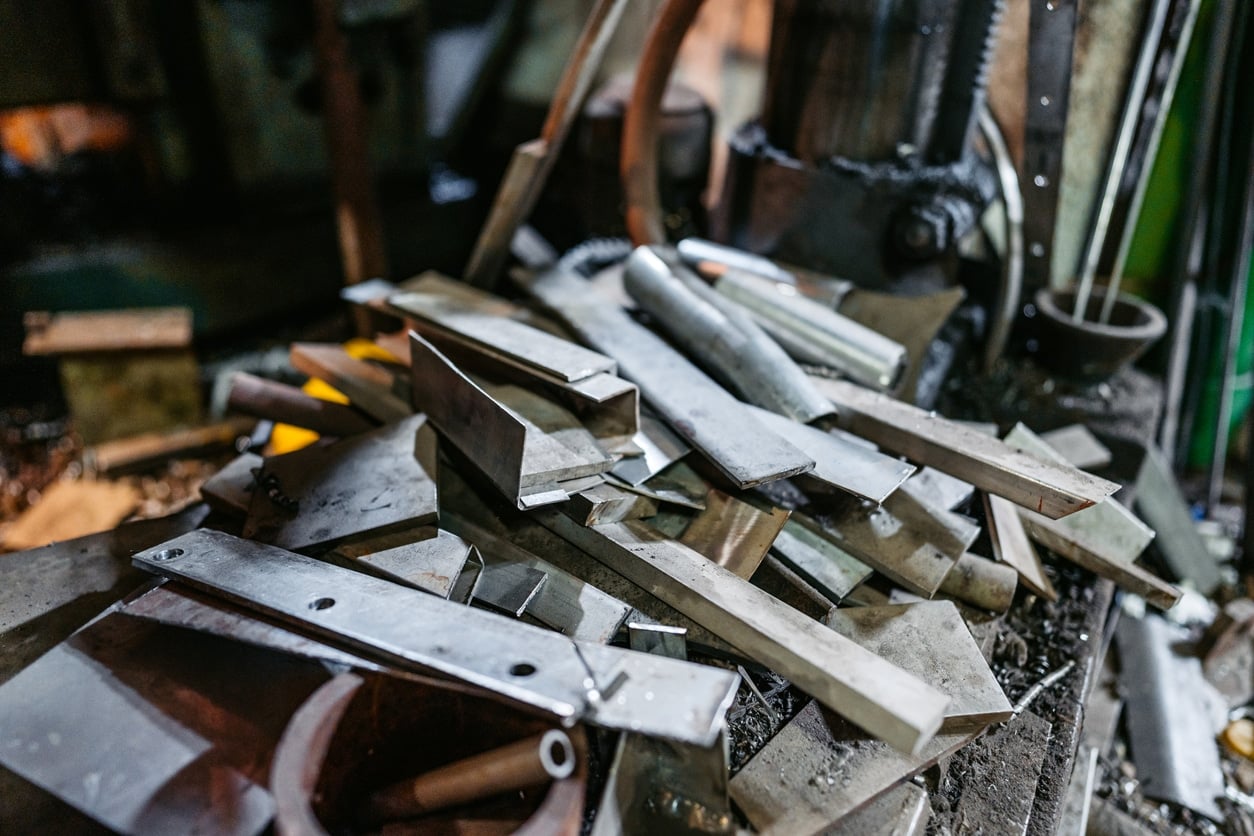
Freight costs are calculated by weight, distance, and freight class. When you purchase standard 20-foot alloy or carbon steel bars for a job that requires specific 38-inch cut lengths, a significant percentage of every bar ends up as unusable “remnants” or “drops.” You are effectively paying premium freight rates to transport raw steel scrap across the country, only to store it temporarily and sell it back to a scrap recycler for pennies on the dollar.
2. The High Cost of Machine Shop Prep Time
Every hour a skilled CNC machinist or saw operator spends material handling, measuring, cutting, deburring, and staging raw stock is an hour they are not producing finished parts. Internal secondary operations convert variable shop labor into a bloated fixed cost. In today’s high-throughput manufacturing environment, operator time should be spent on value-add precision machining, not raw stock preparation.
3. Shop Floor Real Estate and Inventory Holding Costs
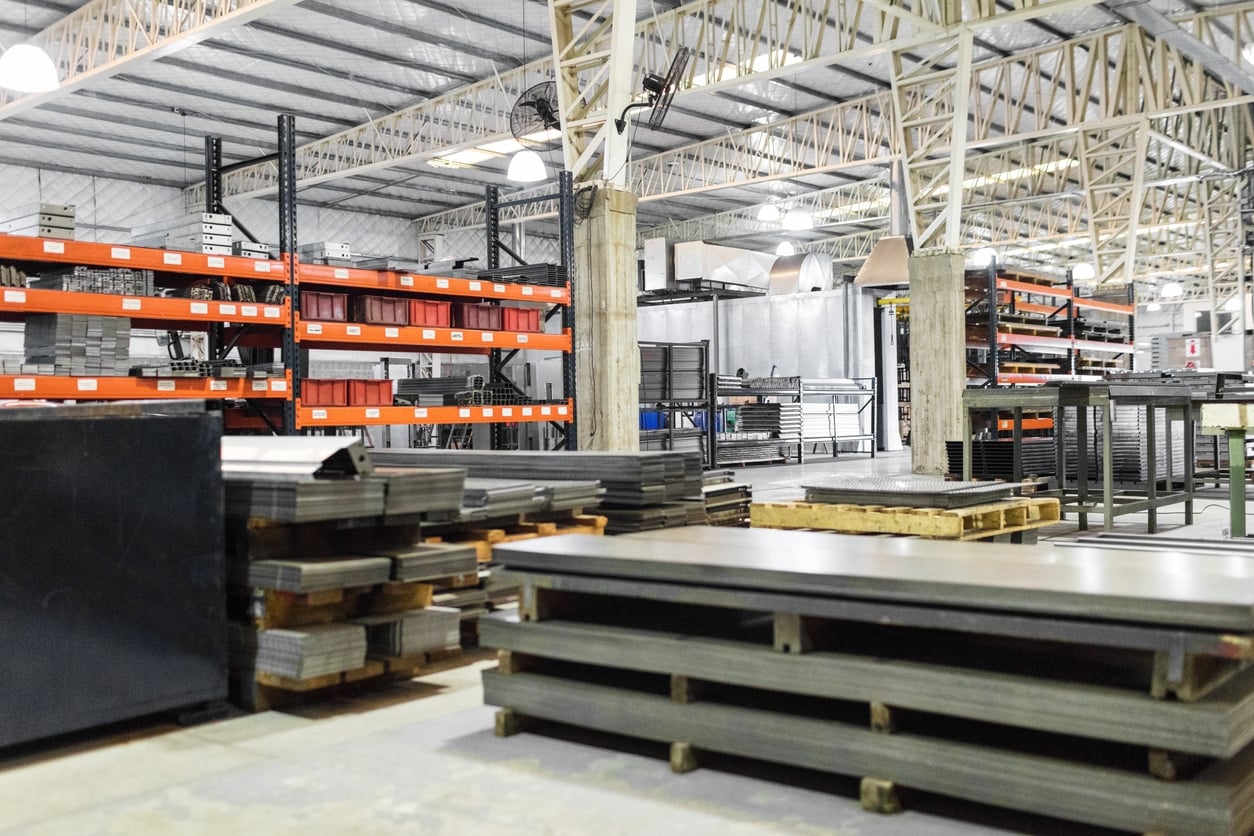
Storing full-length steel bundles requires massive floor space, heavy-duty racking, and specialized material handling equipment such as overhead cranes or side-loader forklifts. Capital tied up in stagnant mill-length inventory resting on racks represents restricted working capital—capital that could otherwise fund business growth, equipment upgrades, or strategic inventory buffers.
The Procurement Math: Mill-Length vs. Precision Cut-to-Length
To understand how pre-cut steel impacts the bottom line, examine a realistic purchasing scenario for a production run of 500 precision drive shafts requiring 4140 Heat-Treated Turned, Ground & Polished (TGP) bar stock cut to 18-inch lengths.
Production Requirement:
- Total Parts Needed: 500 finished drive shafts
- Finished Length per Shaft: 18 inches
- Total Net Linear Material Required: 750 linear feet
| Procurement Cost Factor | Option A: Standard 20 ft Mill-Length Bars | Option B: Precision Cut-to-Length Stock |
| Material Ordered | 40 Bars @ 20 ft (800 linear feet) | 500 Pieces @ 18 in (750 linear feet) |
| Initial Material Quote | 10,000(12.50/ft) | 11,200(14.93/pc including cut fee) |
| Unusable Scrap / Drop Loss | 50 ft lost to scrap drops (2.5 ft waste per bar) | 0 ft Waste (100% usable yield) |
| Inbound Freight Expense | Paid on 800 ft of gross weight | Paid on 750 ft of net weight (~6% lighter) |
| Internal Processing Labor | 12.5 hours sawing & handling ($65/hr = $812.50) | $0.00 (Ready for immediate spindle feed) |
| Saw Blade Wear & Maintenance | ~$150 in blade wear & coolants | $0.00 |
| Shop Floor Storage Footprint | Stays on rack, taking up 20 ft bay space | Staged directly at CNC machine |
| True Landed Job Cost | $10,962.50 + Freight Penalty | $11,200.00 Net |
The “Initial Quote” Illusion
Option A appears $1,200 cheaper upfront based strictly on raw material price per pound. However, once you factor in drop waste (50 linear feet of premium 4140 alloy bar), freight fees on scrap material, saw operator labor, and saw blade wear, Option A’s cost savings completely evaporate.
Option B eliminates internal prep labor entirely, reduces freight weight, frees up shop space, and gets parts onto the CNC machines hours faster—delivering a significantly higher net margin on the finished job.
Request a Precision Cut-to-Length Quote
3 Strategic Levers to Optimize Your Steel BOM
Re-engineering your steel buying process is about more than changing cut lengths—it is about leveraging supplier capabilities to streamline your entire supply chain. Here are three strategic levers procurement managers can deploy immediately:
Lever 1: Capitalize on Low Minimum Order Quantities (MOQs)
Holding large stockpiles of raw alloy bar stock, AR plates, or stainless shafting puts your company at risk during demand downturns or engineering design revisions. Partnering with a steel distributor that offers low minimum order quantities—down to single-bar or small-batch orders—allows you to implement true Just-In-Time (JIT) manufacturing. You order precisely what the active production run requires, preserving working capital and freeing up facility floor space.
Lever 2: Offload Pre-Machining Operations to the Supplier
Why spend internal resources performing basic cutting, squaring, or sizing when your distributor can deliver exact tight-tolerance stock? Sourcing precision Turned, Ground, and Polished (TGP) shafting, chrome-plated shafts, or pre-cut keystock in exact job lengths converts unpredictable internal labor expenses into predictable, fixed Bill-of-Materials (BOM) costs. It simplifies job costing and ensures accurate margin predictability.
Lever 3: De-Risk Quality Bottlenecks with ISO 9001 Traceability
A delivery of pre-cut steel is useless if the material fails to meet metallurgical specifications once it reaches your machining center. Receiving unverified heat lots can result in catastrophic tool damage, machine downtime, and scrapped finished parts. Working with an ISO 9001 certified steel supplier ensures that every bar, plate, or threaded rod comes backed by complete traceability and full Mill Test Reports (MTRs) provided at the time of purchase.
Frequently Asked Questions (FAQ)
What length tolerances can be achieved with custom cut-to-length bar stock?
Precision industrial sawing and cutting services achieve tight length tolerances (typically within +1/16″ or tighter depending on bar diameter and grade). This allows stock to feed directly into CNC chucks, collets, or automatic bar feeders without requiring secondary facing operations.
Does ordering cut-to-length steel increase order lead times?
No. Because specialized steel distributors utilize high-capacity production saw lines, cut-to-length orders are processed rapidly alongside warehouse picking. The brief processing time at the warehouse is vastly outweighed by the hours saved in your own shop during job setup and material staging.
What steel grades and formats are available for cut-to-length services?
Nearly all industrial formats can be custom-cut, including 4140 and 4150 alloy steel bars, 1045 carbon keystock, AR400 and AR500 wear plates, ASTM A193 Grade B7 threaded rods, and 316L or Duplex 2101 stainless TGP shafting.
How do Mill Test Reports (MTRs) work with cut-to-length orders?
Full material traceability is maintained across every cut piece. The Mill Test Report (MTR) provided with your shipment references the master heat number from the original mill heat lot, ensuring 100% compliance for critical aerospace, defense, energy, and medical applications.
Eliminating raw material scrap and streamlining shop floor operations is one of the fastest paths to higher manufacturing margins. By looking beyond simple price-per-pound metrics and partnering with a trusted, ISO 9001 certified steel distributor, procurement teams can transform raw material buying into a strategic competitive advantage.
Request an Instant Custom Steel Quote from Specialty Steel Co.
Related Posts