When designing and maintaining high-pressure systems, the integrity of your connections is paramount. In industries…
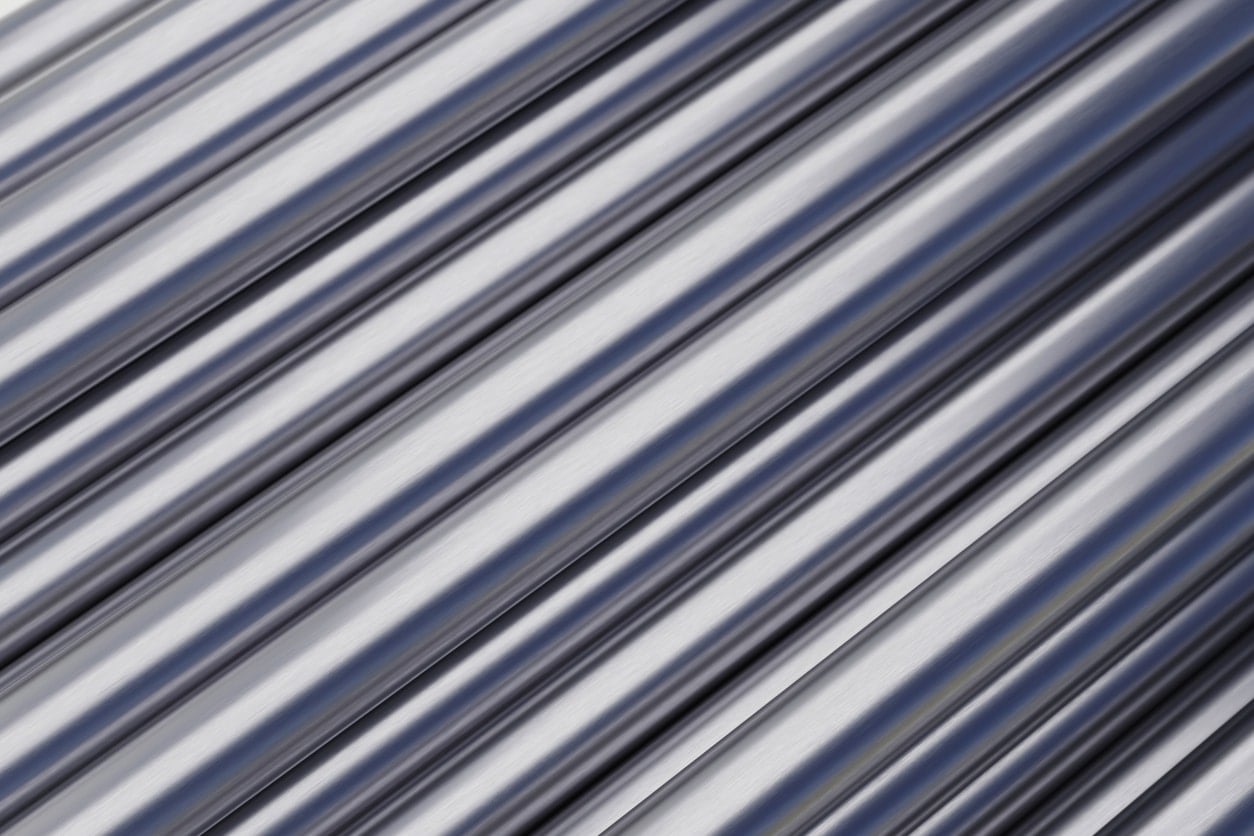
5 Reasons to Upgrade to Induction-Hardened Chrome Rods for High-Impact Applications
5 Reasons to Upgrade to Induction-Hardened Chrome Rods for High-Impact Applications
In demanding industries like heavy construction, mining, agriculture, and forestry, equipment failure is far more than a simple inconvenience—it is an expensive bottleneck that halts job sites and eats directly into operational profitability. Hydraulic cylinders and structural actuators serve as the core muscles of heavy machinery, yet they are perpetually subjected to harsh working conditions. Flying rock impacts, abrasive dust, extreme side-loads, and corrosive environments can quickly ruin standard hydraulic shafting, resulting in shredded seals, fluid leaks, and costly unexpected downtime.
If your high-impact machinery suffers from premature component failure, it is time to re-evaluate your material selections. For original equipment manufacturers (OEMs) and heavy machinery repair shops looking to maximize reliability, the ultimate solution lies in Induction-Hardened Chrome Rods.
As an industry leader in premium metal products and custom steel distribution, Specialty Steel understands that component durability starts at the metallurgical level. In this guide, we break down the engineering advantages of induction-hardened chromed shafting and examine the top five reasons why making the switch is the smartest long-term investment for high-impact applications.
Request a Quote for Induction-Hardened Chromed Rods Today
What Is an Induction-Hardened Chromed Shaft?
To appreciate the performance advantages of this material, it helps to understand how it differs from conventional chrome-plated round stock.
Induction hardening is a non-contact, electromagnetic thermal process that rapidly heats the outer surface layer of a medium-carbon steel rod (such as engineered 1045 or 1050 grade steel). Once the outer perimeter reaches its transformation temperature, it is instantly quenched with liquid coolant.
This localized heat treatment restructures the steel’s outer micro-grain into martensite—an exceptionally hard, wear-resistant metallurgical state. Crucially, the process only heats the outer perimeter to a precise depth, leaving the inner core of the steel completely unaffected in its original ductile state.
Following heat treatment, the shaft undergoes precision grinding and is electroplated with a micro-thin, high-density layer of hard chromium. The final product is a high-performance hybrid component: a rod with a flexible, shock-absorbing interior core, a hard sub-surface armor, and a smooth, corrosion-resistant exterior plating.
Here are five key reasons why this specialized material structure is ideal for severe operating environments.
1. Superior Surface Hardness and Dent Resistance
In heavy-duty field operations, hydraulic cylinder rods are constantly bombarded by flying gravel, falling debris, and abrasive particulate matter. When an unhardened chrome rod takes a direct blow from a rock, the soft steel beneath the thin chromium layer deforms. This denting fractures the outer chrome surface, leaving sharp, jagged micro-cracks.
Every time a dented rod extends and retracts through the cylinder head, those sharp edges act like a micro-blade against the elastomer seals. Over a short period, the seals are shredded, leading to hydraulic pressure loss, environmental fluid spills, and total cylinder failure.
Induction hardening increases the sub-surface hardness of the steel foundation to an impressive 50 to 60 Rockwell C (HRC) before the plating step. When hard chromium is electroplated over this rigid structural foundation, the rod gains extraordinary resistance to local impact. If flying debris strikes an induction-hardened chromed rod, the hardened substrate acts like an anvil beneath the chrome, preventing underlying deformation. This eliminates denting, preserves seal integrity, and keeps your machinery operating smoothly in rocky, abrasive terrain.
2. High Core Ductility to Withstand Heavy Bending Stress
A common misconception in materials engineering is that increasing hardness automatically makes a metal brittle and prone to cracking. While this can happen with through-hardened materials, induction hardening is strictly a surface-depth treatment. The depth of hardness typically penetrates between 1.0 mm and 3.0 mm into the rod surface, depending on its diameter.
This controlled case depth provides the perfect structural compromise. While the outer shell provides extreme wear resistance, the inner core retains its original ductility and toughness.
This dual-zone structure is crucial for heavy equipment—such as hydraulic excavators, front loaders, and forestry processors—that subjects hydraulic rods to unpredictable side-loading and severe bending stress. If a cylinder rod were hardened through its entire cross-section, intense side-loads could cause the rod to snap under tension. By keeping the core soft and ductile, induction-hardened chromed shafts absorb sudden shocks and bending forces without cracking or catastrophic structural failure.
3. Exceptional Defense Against Corrosion and Chemicals
Industrial equipment rarely operates in pristine environments. Machinery deployed in coastal regions, salt mines, fertilizer processing, or highway maintenance faces constant chemical exposure and moisture. Corrosion creates pitting on hydraulic rods, which rapidly destroys cylinder packings and contaminates hydraulic fluid.
Induction-hardened chrome rods feature a dense layer of hard chromium plating—typically between 0.0005 inches and 0.001 inches thick. Hard chromium provides a remarkably low coefficient of friction along with natural resistance to atmospheric oxidation and mild chemical exposure.
To ensure long service life in harsh weather, premium chromed shafting undergoes stringent salt spray testing (such as ASTM B117 standards). The smooth surface finish prevents corrosive agents from penetrating into the micro-structure of the steel. Upgrading to this material allows fleet operators to prevent rust formation, protect sensitive hydraulic fluid, and keep machinery operational in rain, mud, and chemical-heavy work sites.
4. Extended Component Lifespan and Lower Maintenance Expenditures
For fleet directors and plant maintenance managers, the true expense of a component failure is rarely the price of the part itself. The real loss comes from equipment downtime: unearned revenue, idle crew wages, emergency repair logistics, and lost hydraulic fluid.
Standard, non-hardened hydraulic rods may carry a lower initial purchase price, but they require frequent replacement when exposed to heavy impacts. Because they dent easily and ruin internal seals, using standard rods in demanding conditions creates an ongoing cycle of maintenance expenses.
Induction-hardened chromed shafting offers a far higher Return on Investment (ROI). By resisting impact damage, protecting wiping seals, and withstanding severe flexure, these rods deliver a dramatically longer working life. Investing in upgraded materials reduces warranty claims for OEMs and lowers total cost of ownership for end-users by eliminating recurring seal replacements and unscheduled equipment shutdowns.
5. Precision Tolerances and Immediate Machinability
Production efficiency is vital for both original equipment manufacturing and field repair shops. When ordering raw shafting materials, precise dimensional accuracy and reliable machinability are mandatory.
Induction-hardened chromed rods are produced to strict diametrical and straightness tolerances. At Specialty Steel, our inventory meets rigorous standards for roundness, surface micro-finish, and dimensional uniformity across the entire bar length.
Despite the tough outer hardness of the steel case, these rods remain fully machinable using standard carbide cutting tools. Machinists can cut the bar to required lengths, turn down end threads, bore pin holes, or mill keyways without removing the hardened layer. Because the material arrives pre-hardened and pre-plated, shops skip the time-consuming process of sending finished parts out to secondary heat-treating and plating vendors. You can machine the part, assemble the cylinder, and put the equipment straight into service.
Speak with a Shafting Specialist
Performance Comparison: Standard Chromed Shafts vs. Induction-Hardened Chromed Shafts
To highlight the performance differences, the table below illustrates how standard chromed rods compare with induction-hardened chromed rods across key technical parameters.
| Performance Metric | Standard Chromed Rods | Induction-Hardened Chromed Rods |
| Subsurface Hardness | Standard Base Steel (~20–25 HRC) | High Surface Case (50–60 HRC) |
| Impact & Dent Resistance | Low to Moderate | Extremely High |
| Bending & Shock Absorption | Good Core Ductility | High Core Ductility with Tough Armor |
| Recommended Operating Condition | Clean, Light-to-Medium Duty | Heavy-Duty, Impact-Prone, Outdoor |
| Hydraulic Seal Protection | Moderate (Dents lead to seal wear) | Maximum (Prevents surface burrs and dents) |
| Upfront Material Cost | Lower Initial Cost | Moderate Initial Investment |
| Long-Term Return on Investment | Poor in Harsh Conditions | Exceptional (Lower Total Cost of Ownership) |
Typical Applications for Induction-Hardened Chromed Shafting
Because of their unique combination of core flexibility and surface toughness, these engineered rods are standard specification across demanding heavy industries, including:
- Earthmoving & Construction: Excavator bucket cylinders, bulldozer tilt actuators, and grader blade positioning rods.
- Agricultural Equipment: High-capacity tractor hydraulics, combine header lifts, and heavy tillage machinery working in rocky soils.
- Mining & Quarrying: Hydraulic rock breakers, underground boring machines, and dump truck suspension struts.
- Forestry Machinery: Tree harvesters, log grapple arms, and timber loader boom cylinders.
- Waste Management & Industrial: High-pressure trash compactors, scrap balers, and demountable hook-lift trucks.
Conclusion: Upgrade Your Equipment with Specialty Steel
 When building or repairing machinery intended for challenging environments, standard materials quickly become an operational liability. Upgrading to induction-hardened chromed rods ensures your hydraulic systems resist impact denting, withstand heavy side-loads, and maintain leak-free seal performance over thousands of operating hours.
At Specialty Steel, we carry a broad inventory of high-grade, pre-hardened chromed rod products designed to keep your equipment running at peak performance. Do not let material weaknesses slow down your production or field operations.
Frequently Asked Questions (FAQ)
- How can machinists cut and thread induction-hardened chromed rods?
Induction-hardened rods can be machined efficiently using standard, high-grade carbide tooling. Machinists plunge through the thin hardened outer shell (typically 1.0 mm to 3.0 mm deep) in a single confident pass, after which the ductile core machines smoothly like standard medium-carbon steel.
- What is the typical depth of the induction-hardened layer?
The induction case depth usually ranges from 1.0 mm to 3.0 mm (0.040″ to 0.120″), tailored to the diameter of the shafting. This depth provides structural rigidity against impact while preserving the ductile core required to absorb bending forces.
- Does induction hardening prevent rust and atmospheric corrosion?
Induction hardening provides mechanical strength and deformation resistance. The corrosion protection comes from the electroplated hard chromium layer applied over the hardened substrate. Together, the hardened substrate prevents deformation that would crack the chrome, allowing the chrome layer to protect against rust and oxidation.
- How do I decide whether my application requires induction hardening?
If your hydraulic machinery operates indoors or in clean environment applications with zero exposure to debris, standard chromed rods may be adequate. However, if your equipment operates outdoors in construction, mining, agriculture, or forestry where rock strikes and high loads occur, induction-hardened rods are strongly recommended to prevent premature seal damage and fluid leaks.
- How does a dent on an unhardened rod cause hydraulic fluid leaks?
When an unhardened rod is struck by rock or debris, the underlying steel deforms, creating a small dent with raised outer edges (burrs). As the cylinder rod cycles back and forth through the seal head, these hard raised burrs slice through rubber and polyurethane seals. Induction hardening prevents the initial dent from forming, protecting the seals over long service cycles.
Related Posts