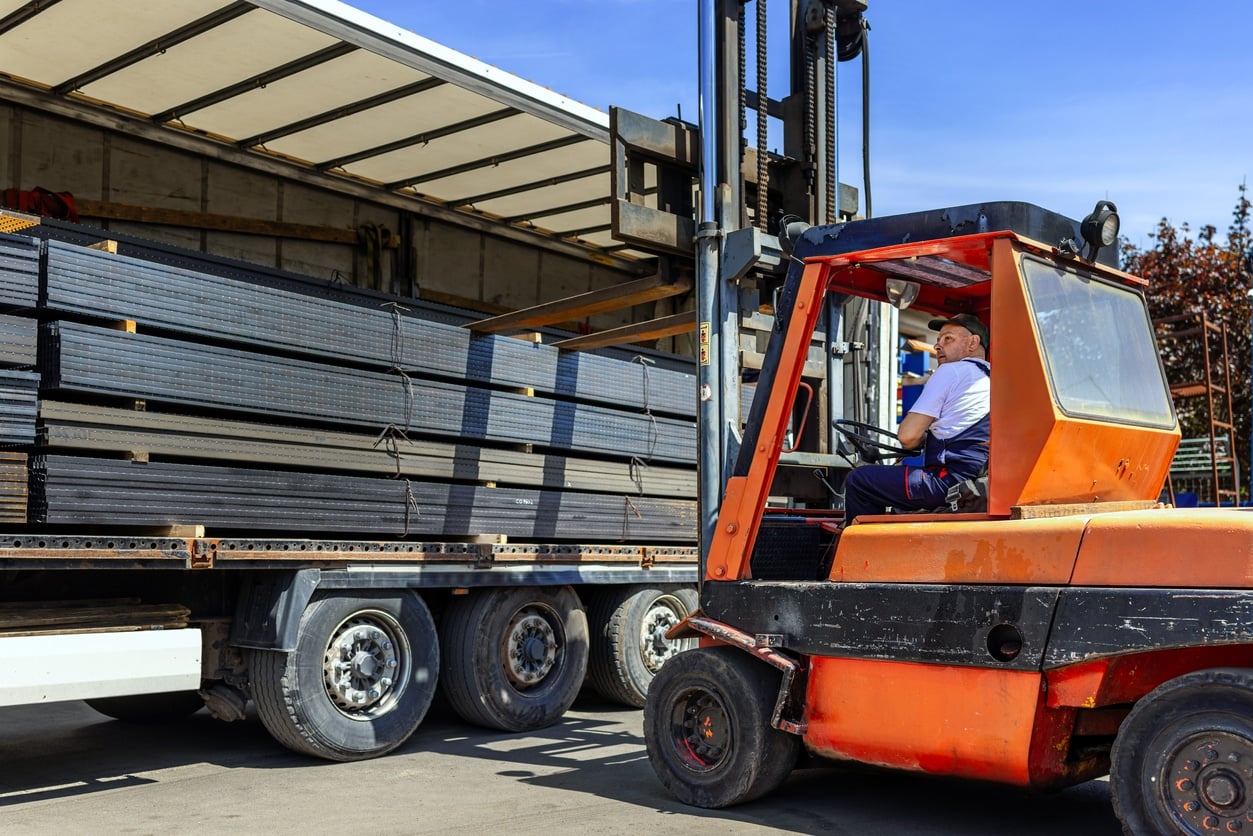
Managing a year-end manufacturing budget requires precision, agility, and the right supply chain strategy. As…
Top Industries That Rely on High-Quality Steel — and How the Right Materials Improve Performance
In the modern industrial landscape, steel is much more than just a construction material; it is the silent engine of global progress. From the skyscrapers that define our city skylines to the delicate instruments used in life-saving surgeries, the quality of steel used is often the determining factor between success and failure.
While steel might seem like a singular, uniform material to the untrained eye, professionals across various sectors know that the “right” steel makes all the difference. Choosing high-quality materials isn’t just about durability—it’s about optimizing performance, ensuring safety, and driving innovation. In this article, we will explore the top industries that depend on premium steel and how selecting the right grade can transform an entire operation.
Why Quality Matters More Than Ever
Before diving into specific industries, it is essential to understand why “quality” is the keyword in steel procurement. High-quality steel is characterized by its consistency, purity, and specific mechanical properties. When a material is refined to exact standards, it behaves predictably under stress, heat, and environmental pressure.
For businesses, investing in premium materials reduces the long-term costs of maintenance, prevents catastrophic equipment failure, and allows for more ambitious engineering designs. In short, the better the steel, the better the final product performs.
1. The Automotive and Transportation Sector
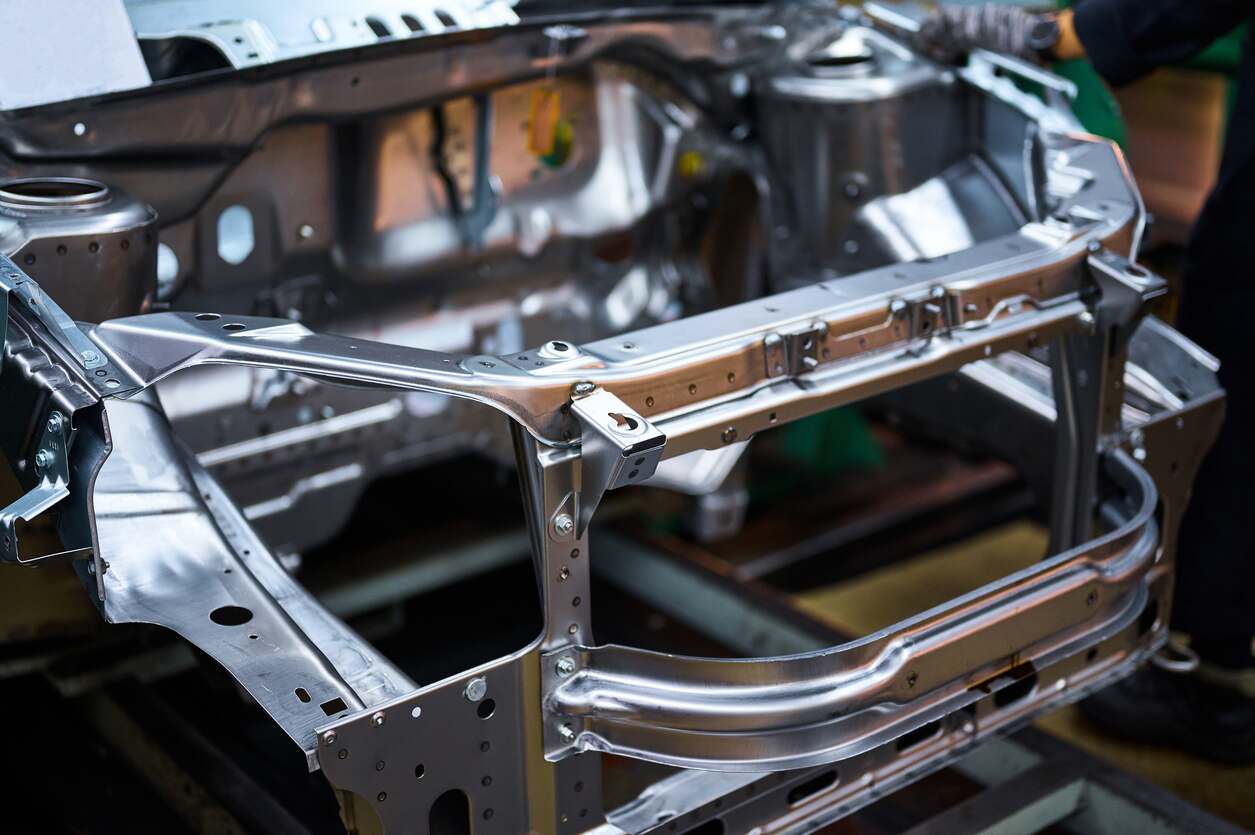
The automotive industry is perhaps the most visible consumer of high-quality steel. However, the requirements have shifted dramatically over the last decade. Today’s manufacturers are looking for a perfect balance: materials that are strong enough to protect passengers during a collision, yet light enough to improve fuel efficiency and reduce carbon emissions.
High-strength steel allows car manufacturers to use thinner components without sacrificing structural integrity. This “lightweighting” is crucial for the burgeoning electric vehicle (EV) market, where reducing the weight of the car frame can signific
antly extend battery range. Beyond the frame, high-quality steel is found in engine components, transmissions, and suspension systems, where resistance to heat and friction is paramount.
2. Infrastructure and Construction
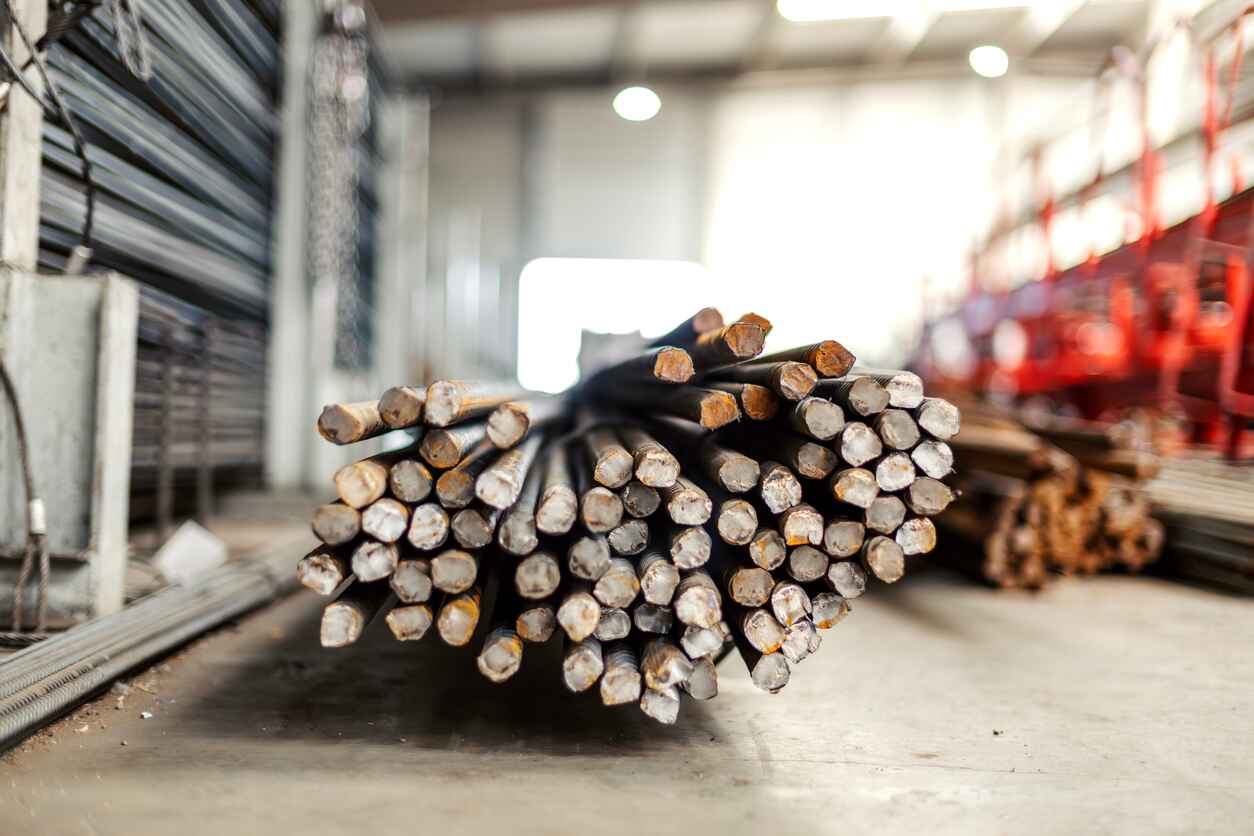
When we think of steel, we often think of massive I-beams and rebar. In the construction industry, the reliability of these materials is a matter of public safety. High-quality steel is essential for building bridges, stadiums, and high-rise apartments that must withstand natural forces like earthquakes, high winds, and heavy loads.
The “right” material in construction often refers to steel that offers superior corrosion resistance. For infrastructure projects near coastal areas or in humid environments, using steel that can resist rust ensures that a bridge or building lasts for a century rather than a few decades. This longevity reduces the need for frequent repairs, saving taxpayer money and ensuring long-term structural health.
3. Energy and Power Generation
Whether it is a traditional oil rig, a nuclear power plant, or a field of wind turbines, the energy sector is incredibly demanding. The materials used here are often subjected to extreme environments, including high pressures, corrosive chemicals, and fluctuating temperatures.
In the renewable energy sector, for example, wind turbine towers must support massive weights while enduring constant vibration and wind stress. High-quality steel ensures these structures remain stable over their 25-year lifespans. Similarly, in the oil and gas industry, specialized steel pipes and valves prevent leaks and bursts, protecting both the environment and the workers on-site.
4. Aerospace and Defense
In an industry where there is zero room for error, the aerospace sector demands the highest tiers of steel quality. Aircraft components—from landing gear to engine turbines—are pushed to the absolute limits of physics.
The right steel in aerospace must be able to maintain its strength at incredibly high temperatures while remaining resistant to fatigue. Because flight involves repeated cycles of pressurization and depressurization, the steel must be free of even the smallest microscopic impurities, as these could lead to cracks over time. By using elite-grade materials, aerospace engineers can ensure the safety of millions of passengers every day.
5. Manufacturing and Heavy Machinery
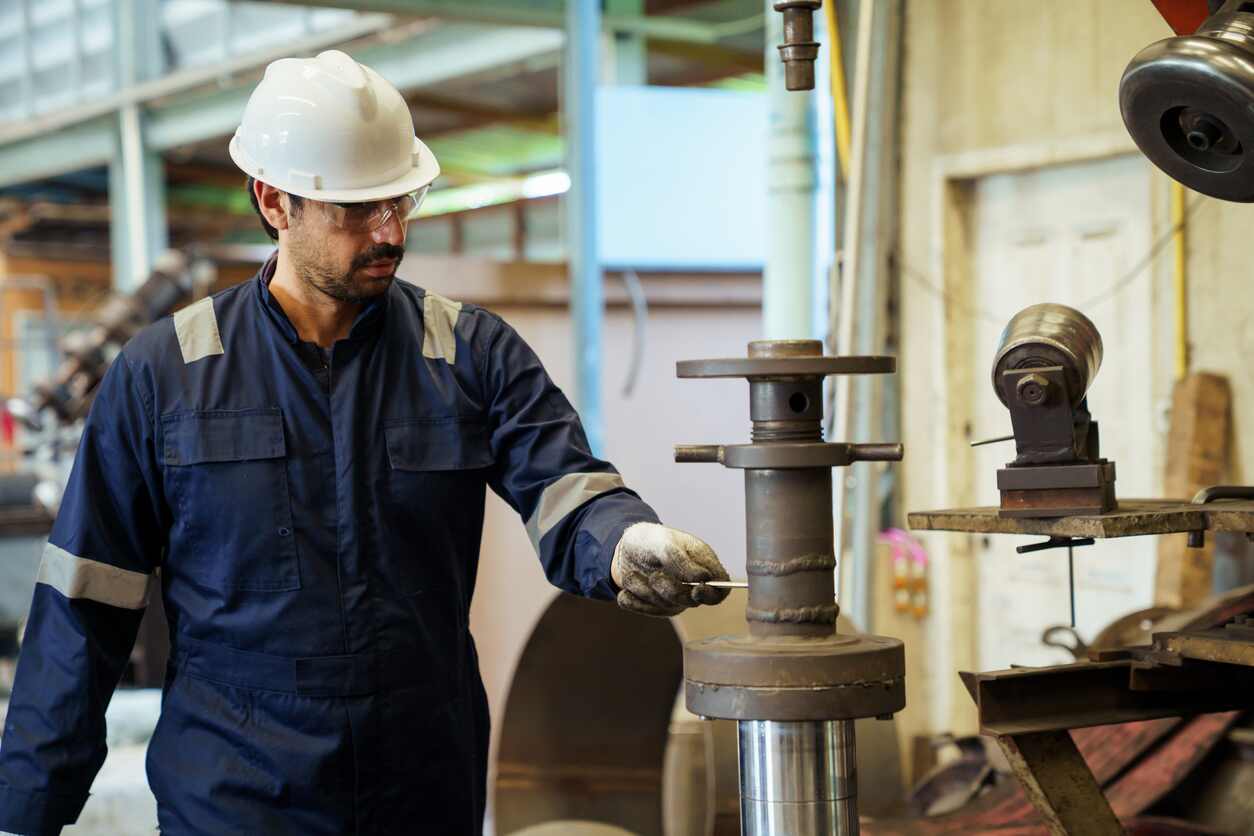
The machines that make our goods—the presses, molds, and CNC tools—are themselves made of steel. In manufacturing, precision is the name of the game. High-quality tool steel allows for the creation of components with incredibly tight tolerances.
Furthermore, heavy machinery used in mining and agriculture relies on steel that can handle “abrasive wear.” When a bulldozer blade hits rocky earth or a harvester processes thousands of tons of grain, the steel must be tough enough not to wear down prematurely. High-quality materials mean less downtime for repairs and higher productivity for the operator.
Performance Comparison: Standard vs. High-Quality Steel
To better understand the impact of material choice, let’s look at how high-quality steel improves specific performance metrics across these industries.
| Performance Metric | Standard Steel | High-Quality Steel | Industry Impact |
| Durability | Moderate; prone to wear | Exceptional; long life cycle | Lower replacement costs in Manufacturing |
| Weight-to-Strength | Heavier for same strength | High strength at lower weight | Better fuel economy in Automotive |
| Corrosion Resistance | Requires heavy coating | Often built-in resistance | Longevity in Marine & Infrastructure |
| Precision | May warp under heat | Remains dimensionally stable | Higher accuracy in Aerospace/Medical |
| Safety | Predictable but limited | High energy absorption | Better crash protection in Transport |
How the Right Materials Improve Performance
Choosing the right steel isn’t just about “stronger is better.” It is about matching the material’s properties to the specific challenges of the job. Here are three ways the right materials elevate performance:
- Reduced Maintenance Cycles: High-quality steel resists deformation and environmental damage. This means machines run longer without needing parts replaced, and buildings require less frequent structural interventions.
- Enhanced Efficiency: In many cases, better steel allows for more efficient designs. Whether it’s a thinner, lighter part in a car or a more conductive component in an electrical transformer, the material choice directly impacts the efficiency of the final product.
Risk Mitigation: In high-stakes industries like energy or aerospace, the “right” steel is an insurance policy. It provides the peace of mind that the material will perform as expected, even under emergency conditions, preventing costly accidents and protecting a brand’s reputation.
Frequently Asked Questions (FAQ)
1. Is high-quality steel always more expensive?
While the upfront cost of premium steel is typically higher than standard grades, it is often more cost-effective in the long run. By reducing the frequency of repairs, extending the lifespan of the product, and preventing expensive failures, high-quality steel usually offers a much better “total cost of ownership.”
2. How do I know which steel material is right for my project?
The right material depends on your specific environment and mechanical requirements. Factors to consider include the load the steel will carry, whether it will be exposed to moisture or chemicals, and the temperatures it will operate in. Consulting with an experienced material supplier is the best way to ensure you select the optimal grade.
3. Does the manufacturing process of the steel matter as much as the grade?
Absolutely. Even within the same grade, the way steel is melted, rolled, and treated can affect its internal structure. High-quality suppliers follow strict quality control protocols to ensure that every batch of steel is consistent and free from defects that could compromise performance.
Experience the Difference of Precision Materials
At Specialty Steel, we understand that in your industry, “good enough” is never enough. Performance is built on a foundation of quality, and the materials you choose today define the reliability of your products tomorrow. We provide the expertise and the high-standard processing required to ensure your steel components meet the most rigorous demands of the modern world. Don’t leave your project’s success to chance—ensure your materials are treated for peak performance.
Optimize Your Supply Chain Today
Ready to elevate your production standards? Whether you are in aerospace, automotive, or heavy manufacturing, our team is here to provide the specialized solutions your business needs to thrive. Contact Specialty Steel today to learn how our expertise in material enhancement can improve your bottom line and your product performance.
Related Posts