Managing a year-end manufacturing budget requires precision, agility, and the right supply chain strategy. As…
Spring Maintenance for Industrial Steel: Protecting Your Equipment and Inventory
Seasonal changes shift the chemical and physical environment surrounding your assets. In heavy industry, spring is the most treacherous season; rising humidity, lingering winter corrosives, and “sweating” from temperature fluctuations create a perfect storm for oxidation.
For businesses relying on structural steel, heavy machinery, or vast inventories of metal stock, a “wait and see” approach is a recipe for fiscal disaster. Choosing high-quality materials from trusted suppliers is the foundation of a long-lasting operation, but even the finest industrial steel product solutions require a proactive maintenance strategy to survive the thaw.
This comprehensive guide explores the science of spring-induced corrosion and provides a deep-dive into the strategies necessary to safeguard your steel assets.
Why Spring Maintenance Matters for Industrial Steel Protection
The transition from winter to spring is characterized by thermal cycling. During the day, steel surfaces absorb solar radiation and expand; at night, they cool rapidly and contract. This constant physical stress can create microscopic fissures in protective coatings, allowing moisture to penetrate the substrate.
Furthermore, spring brings dew point condensation. Because steel has high thermal mass, it stays cold longer than the warming ambient air. When warm, moist spring air hits a cold steel beam or machine housing, the moisture pulls out of the air and forms liquid droplets directly on the metal. This “hidden” moisture is often more damaging than rain because it can sit undisturbed in joints and crevices for days.
Industrial steel protection during this period is an investment in operational continuity. Companies that prioritize seasonal upkeep report a 25–30% increase in equipment lifespan and a significant reduction in emergency “hot-fix” repairs that disrupt production cycles.
Common Spring Risks to Steel Equipment and Inventory
Understanding these environmental threats is the first step in building a defense; however, you cannot fight what you don’t recognize. In the spring, the enemy is multifaceted:
1. The Humidity Spike
As temperatures rise, the air’s capacity to hold water vapor increases. High relative humidity (above 60%) acts as a catalyst for the electrochemical reaction known as rusting. Without a barrier, iron atoms in the steel lose electrons to oxygen, forming iron oxide.
2. Residual Winter Contaminants
Perhaps the greatest “silent killer” of industrial steel is leftover road salt (sodium chloride) or de-icing chemicals. If these were tracked into your facility or splashed onto outdoor structures during winter, they don’t simply disappear. They are hygroscopic, meaning they pull moisture out of the air and hold it against the steel, accelerating corrosion rates by up to ten times the normal speed.
3. Biological Growth
Spring is the season of growth—and that includes mold, mildew, and algae. These organisms can take root in the layer of dust and organic matter on steel surfaces. As they grow, they trap moisture and can even secrete acidic byproducts that etch the steel surface.
4. Acid Rain and Pollutants
In many industrial corridors, spring rains are slightly acidic due to atmospheric pollutants. This acidity further breaks down protective oxide layers and protective paints, leaving the raw steel vulnerable.
The Definitive Spring Maintenance Checklist
Turning knowledge into action requires a systematic approach. By following this structured framework, you ensure that no bolt, beam, or bearing is left to succumb to the elements.
1. Comprehensive Visual Inspection
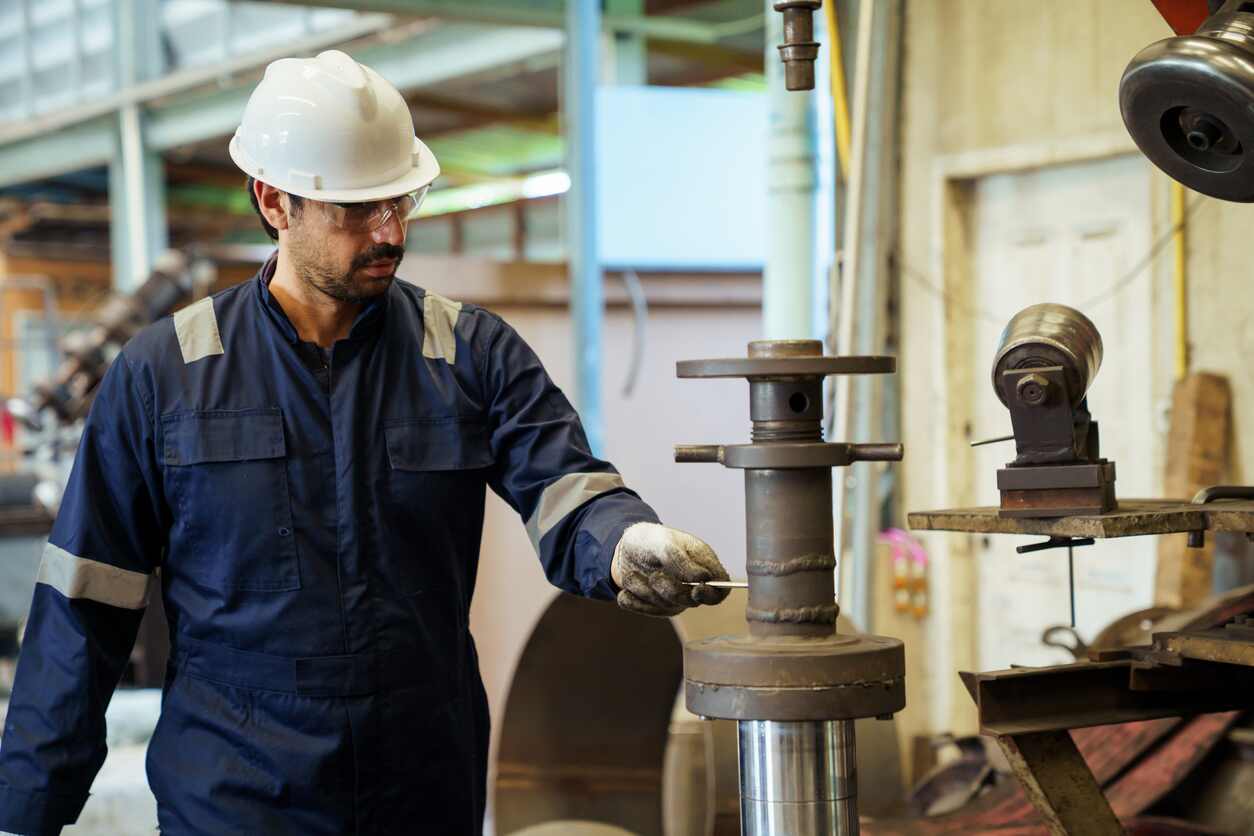
Don’t just walk the floor; get close. Use high-powered flashlights to inspect shadowed areas. Focus specifically on weld points, which are zones of high internal stress and are often the first places where coatings fail. Check for crevice corrosion in areas where two surfaces meet, as these gaps trap water through capillary action.
2. Decontamination and Deep Cleaning
Cleaning isn’t about aesthetics; it’s about removing the electrolytes that allow rust to form. Use a dedicated salt-neutralizing wash for any equipment exposed to winter roads. After cleaning, use compressed air to blow water out of blind holes and tight tolerances to ensure no new moisture is trapped during the process.
3. Barrier Restoration (Coatings)
If the “skin” of your steel is compromised, spring is the time for a restoration. Use cold galvanizing sprays for quick touch-ups on galvanized surfaces where the zinc layer has thinned. For high-traffic areas, reapplying a high-build epoxy system provides a nearly impenetrable moisture barrier before the peak humidity of summer arrives.
4. Precision Lubrication
Mechanical joints face unique challenges as temperatures rise. As the viscosity of old grease changes, it may “run” or leak out, leaving internal surfaces exposed. Flush out old, contaminated grease that may contain winter grit and replace it with a high-moisture-resistance lubricant.
5. Environmental Stabilization
If you can’t change the steel, change the air around it. Utilize Vapor Corrosion Inhibitors (VCIs) for stored inventory; these release molecules that bond to the steel surface to block oxygen. Additionally, ensure warehouses are not “airtight”—industrial fans can keep air moving, which encourages rapid evaporation.
Recommended Maintenance Schedule
Consistency is the hallmark of professional industrial management. While the checklist provides the “what,” a schedule provides the “when” to keep your facility on track.
| Task Category | Frequency | Spring Specific Focus |
| Visual Audit | Monthly | Focus on joints, welds, and low-lying areas. |
| Surface Wash | Quarterly | Use salt-neutralizers to remove winter buildup. |
| Coating Audit | Bi-Annually | Check for UV damage and thermal expansion cracks. |
| Lubrication | Monthly | Replace “winter grade” lubricants with “summer grade.” |
| Storage Review | Seasonal | Check for leaks in roofing or gaps in VCI packaging. |
Choosing the Right Steel for Long-Term Protection
While these maintenance steps will extend the life of any asset, the “maintenance burden” you face each spring is often decided long before the first inspection, starting with the grade of steel you procure. Specialty Steel offers a diverse inventory tailored to withstand specific environmental stressors:
- AR Plates and Strips: Essential for high-wear environments where surface durability prevents moisture from settling into deep scratches.
- Chrome Shafts: The preferred choice for hydraulic applications during spring, providing superior corrosion resistance against humidity.
- Stainless Steel: The gold standard for moisture-heavy environments, utilizing an inherent chromium layer to block oxidation entirely.
- Alloy and Carbon Steel: Versatile structural options that, when paired with the right seasonal coatings, provide a cost-effective balance of strength and protection.
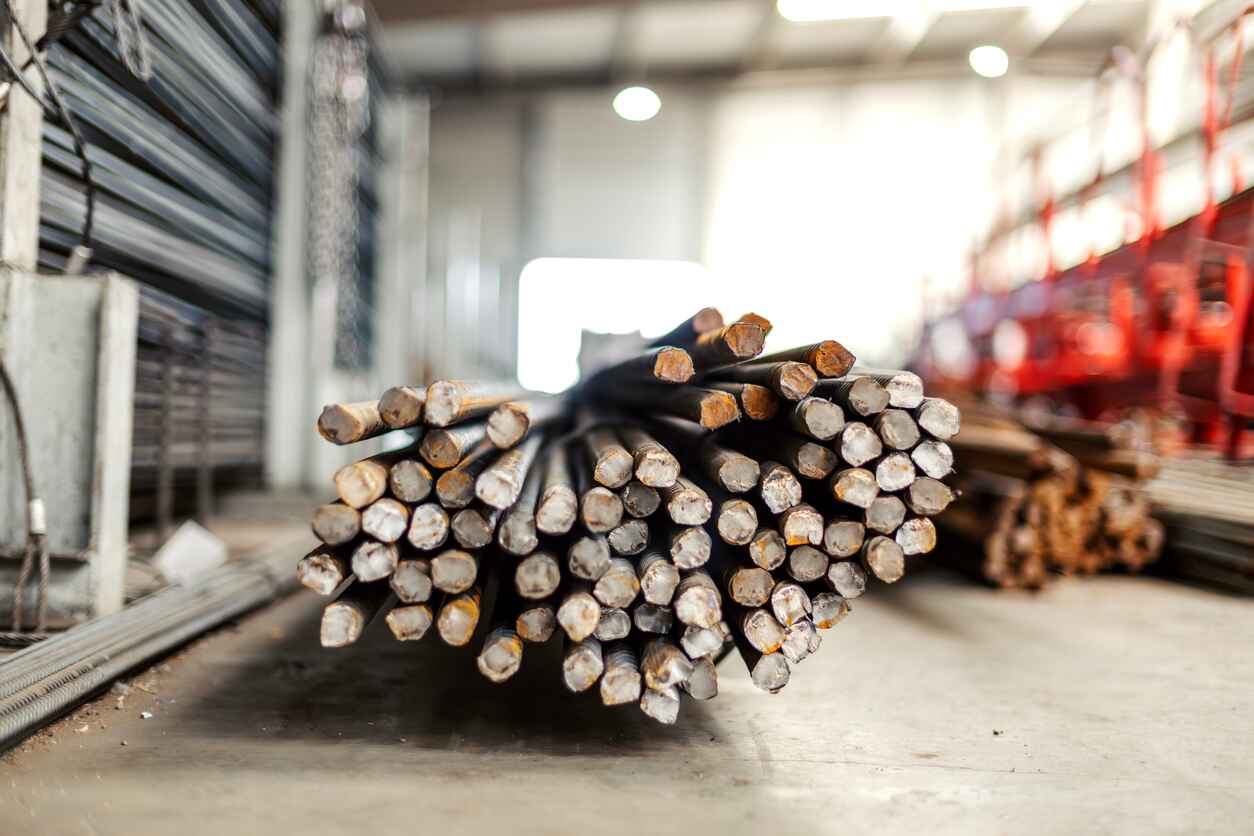
Metric Steel and Threaded Rods: Precision components where even minor spring surface rust can compromise thread integrity and mechanical fit.
Signs Your Steel Needs Immediate Triage
Even with a plan in place, some issues require immediate intervention. If you spot these “red flags” during your spring walk-through, your maintenance window has closed, and your repair window has opened:
- Exfoliation: When rust begins to lift the metal in layers, the structural integrity is actively being lost.
- Orange Run-off: If you see orange streaks “bleeding” from behind panels, internal corrosion is active and spreading.
- Delamination: When paint peels off in large sheets, the bond has failed due to moisture under-mining.
- Seized Fasteners: If bolts refuse to turn, galvanic corrosion has likely fused the two metals together.
The Financial Logic: ROI of Preventive Maintenance
The cost of a gallon of high-quality industrial coating and a day of labor is negligible compared to the cost of replacing a load-bearing column or a precision CNC lathe. Beyond direct repair savings, proactive care improves asset valuation and helps maintain safety compliance, which can lead to lower insurance premiums over time.
By embedding these tasks into your Total Productive Maintenance (TPM) workflows, such as performing inspections during scheduled tool changes, you ensure that protection becomes a part of your operational DNA rather than a disruption to it.
Optimizing Industrial Longevity with Specialty Steel
Spring is a season of renewal, but for industrial steel, it is a test of endurance. The moisture, salt, and temperature swings are inevitable, but the damage they cause is not. By moving from a reactive “fix it when it breaks” mindset to a proactive strategy, you safeguard not just your equipment, but your company’s bottom line.
The best maintenance plan starts with the best materials. Partnering with Specialty Steel ensures that your assets are built on a foundation of quality designed to withstand the elements. Take the next step toward stronger, more resilient operations.
Related Posts