The operational complexity of the modern shop floor is shifting. Businesses are increasingly relying on…
Maximizing Your Year-End Steel Budget: The Benefits of Just-In-Time Steel Delivery
Managing a year-end manufacturing budget requires precision, agility, and the right supply chain strategy. As facility managers and procurement teams evaluate remaining operational funds, balancing raw material stock against rising holding costs becomes a critical priority. Utilizing just-in-time steel delivery allows industrial operations to optimize cash flow, eliminate warehouse bottlenecks, and secure premium steel material right when production demands it, turning remaining fiscal allocations into maximum return on investment (ROI).
Want to Optimize Your Year-End Steel Spend? Call Us!
What Is Just-In-Time Steel Delivery and How Does It Protect Capital?
Just-In-Time (JIT) steel delivery is an inventory management strategy where raw materials are ordered and delivered strictly as needed in the production process. Instead of purchasing bulk volumes of steel bar stock, plate, or structural shapes that sit in static storage, manufacturers partner with specialized steel distributors to schedule deliveries aligned directly with active job timelines.
From a financial standpoint, this model converts large, fixed inventory expenditures into flexible, demand-driven purchases. When capital is locked in raw material sitting on warehouse racks, that money becomes unavailable for equipment upgrades, unscheduled maintenance, or emergency operational needs.
Consider a practical operational scenario:
- Traditional Bulk Approach: Spending a $100,000 year-end budget surplus on an immediate, single-shipment bulk buy of raw steel ties up 100% of that liquidity instantly and creates immediate storage challenges.
- JIT Release Approach: Establishing a $100,000 blanket contract with scheduled quarterly releases of $25,000 allows procurement teams to commit year-end funds, lock in baseline material pricing, and retain working capital for active operational expenses.
The True Cost of Inventory: Traditional Bulk vs. JIT Delivery
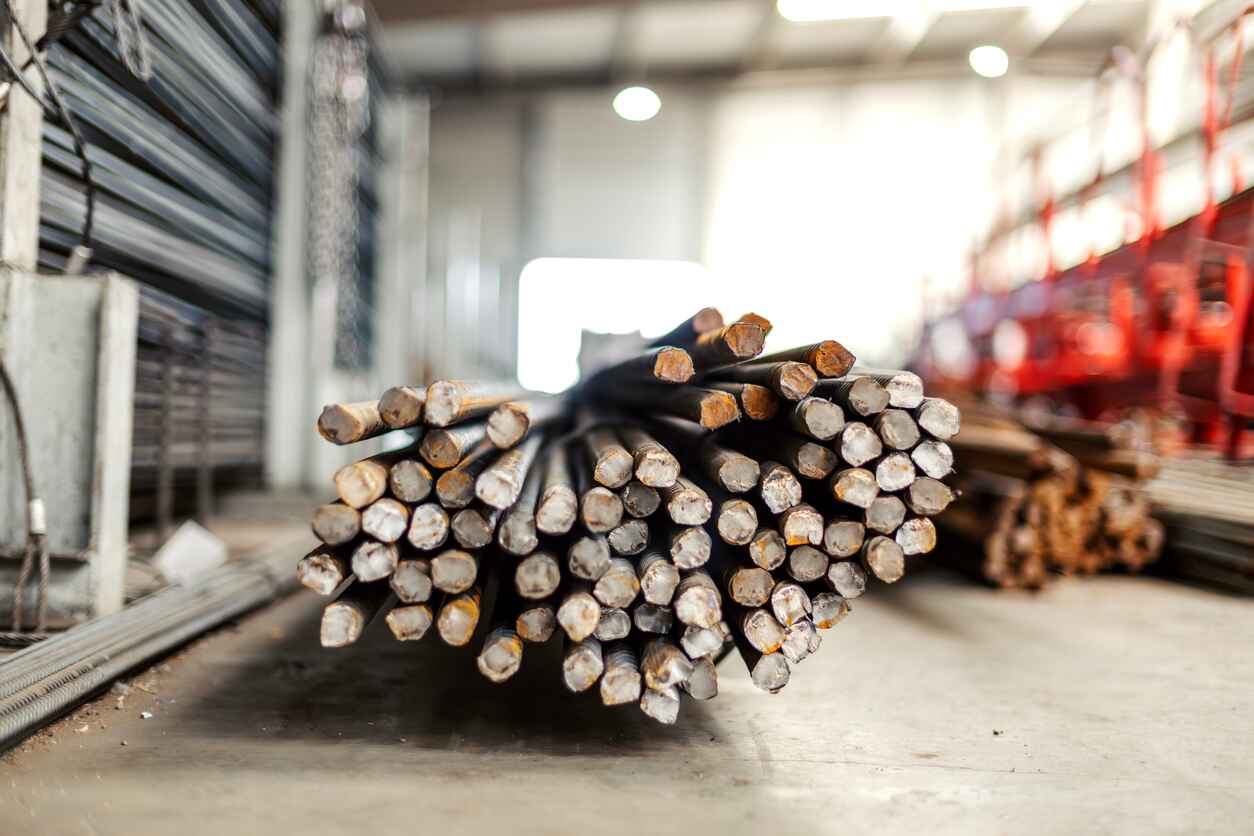
Industrial manufacturers often struggle with the trade-off between bulk purchasing discounts and floor space efficiency. Excess steel inventory carries significant hidden expenses, commonly known as carrying or holding costs, that quickly erode profit margins. Beyond the initial purchase price, holding raw steel incurs expenses related to square footage, labor for material handling, tracking systems, and environmental degradation like oxidation and surface rust.
To evaluate how JIT delivery transforms raw material overhead, consider the direct comparison below:
| Operational Metric | Traditional Bulk Procurement | Just-In-Time (JIT) Steel Delivery |
| Capital Allocation | High upfront capital expenditure that freezes liquid cash. | Incremental capital expenditure aligned with active job timelines. |
| Storage Requirements | Demands extensive, dedicated warehouse and rack space. | Minimal floor footprint required; material moves straight to production. |
| Carrying Costs | High (adds 15% to 30% over the base purchase price annually). | Low (holding costs are largely absorbed by the supply partner). |
| Material Degradation Risk | Elevated risk of surface rust, pitting, and transit/handling damage. | Minimal risk; steel arrives clean, prepped, and ready for immediate machining. |
| Production Flexibility | Low flexibility; facility is forced to work with pre-purchased stock. | High flexibility; exact grades, sizes, and pre-cut lengths can be ordered per job. |
Calculating the 15%–30% Carrying Cost Multiplier
Holding steel in-house isn’t free. Industry benchmarks show that carrying inventory adds an additional 15% to 30% to the initial purchase price every year due to four primary factors:
- Occupied Floor Space: Storing heavy bar stock or plate limits usable manufacturing space that could otherwise house active, revenue-generating CNC machinery.
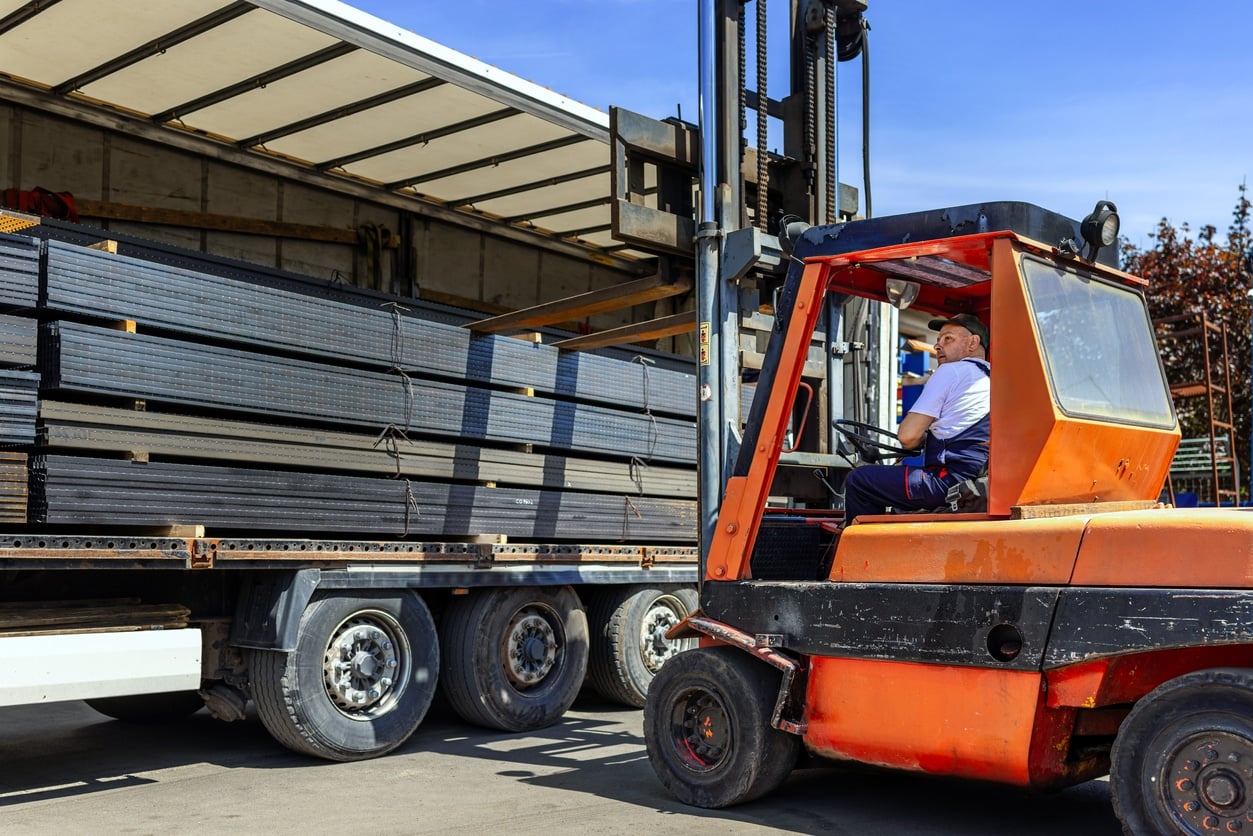
- Material Handling Overhead: Repeatedly moving heavy steel bundles increases labor hours, equipment wear on forklifts or overhead cranes, and the risk of workplace safety hazards.
- Capital Immobilization: Static material yields zero return until processed, billed, and paid for by the end client.
- Environmental Degradation: Ambient shop moisture causes surface rust, requiring secondary cleaning, shot blasting, or pre-machining operations before production can start.
Year-End Steel Procurement Strategies
Optimizing a year-end budget involves strategic purchasing decisions that protect capital while guaranteeing material availability for upcoming production cycles.
1. Utilizing Blanket Orders and Scheduled Releases
Establishing a blanket order program with a trusted steel distributor is one of the most effective ways to deploy remaining year-end funds. This strategy allows procurement teams to negotiate and lock in volume pricing for a set term while setting up staged release dates throughout the upcoming quarters.
- Price Protection: Shields your operational budget against sudden market price shifts and raw material inflation.
- Guaranteed Availability: Reserves specific heats and material lots without filling up your shop floor.
- Administrative Efficiency: Streamlines accounting by utilizing a single purchase order for multi-stage deliveries.
2. Maximizing Yield with Value-Added Pre-Processing
Purchasing standard mill lengths often leaves facilities with unusable drop-offs, structural scrap, and wasted shop labor. Partnering with a distributor that offers integrated pre-processing services ensures you pay exclusively for usable, high-yield material.
- Precision Saw Cutting: Delivers tight-tolerance blanks directly to CNC machining centers, eliminating setup and primary cutting steps on your shop floor.
- Surface Grinding & Turning: Removes mill scale and provides bar stock with consistent diameter tolerances ready for immediate fabrication.
- Custom Sizing: Drastically reduces scrap disposal overhead and maximizes the return on every dollar spent from your year-end allocation.
Navigating Supply Chain Reliability and Material Quality
A JIT model relies on the execution of your material partner. Unexpected delivery delays, missing material test reports (MTRs), or out-of-spec dimensions can stall production schedules and lead to expensive downtime.
When selecting an industrial steel partner to support scheduled JIT releases, evaluate the following supply chain capabilities:
- Broad Stock Availability: Access to standard structural profiles, alloy round bars, carbon flats, and plate stock.
- Traceability & Certification: Guaranteed mill test reports (MTRs) and complete lot traceability accompanying every shipment.
- Logistics Resilience: Dedicated freight networks or regional distribution hubs capable of executing tight delivery windows consistently.
High-Demand Steel Products Suited for JIT Delivery
- Alloy Steel Bar Stock (e.g., 4140, 4340): High-tensile, heat-treatable grades frequently required for shafts, gears, pinions, and high-stress structural components. Purchasing these pre-treated or stress-relieved via JIT saves hours of thermal processing time.
- Carbon Steel Bars & Plates (e.g., 1018, 1045): General engineering steels used across machining, maintenance repair, and structural weldments. Quick-release JIT access ensures maintenance teams can respond to urgent equipment repairs without holding buffer stock.
- Structural Tubing & Profiles: Bulky materials that take up substantial shop floor acreage. Staging delivery on tight release schedules prevents aisle clutter and improves shop floor safety.
Frequently Asked Questions About Year-End JIT Procurement
How does Just-In-Time delivery improve year-end cash flow?
JIT delivery prevents companies from locking up liquid capital in static warehouse inventory. By setting up blanket orders or staggered releases, you commit year-end budget funds strategically while paying for physical material as it is needed for active, revenue-generating jobs.
Can small and medium-sized machine shops benefit from JIT strategies?
Small and medium shops often benefit the most because shop square footage and liquid cash are constrained. Receiving pre-processed, cut-to-length steel directly as a job begins allows smaller facilities to take on larger contracts without cluttering their workspace.
What is the main risk of JIT steel delivery, and how is it mitigated?
The primary risk is a supply chain interruption or freight delay halting production. This is mitigated by partnering with well-stocked regional distributors, maintaining blanket purchase agreements with guaranteed stock reserves, and scheduling releases 2–4 weeks ahead of key production milestones.
Future-Proof Your Year-End Steel Procurement
Maximizing your year-end manufacturing budget requires a modern approach to inventory management, one that balances fiscal discipline with seamless production workflow. Embracing Just-In-Time steel delivery allows facility leaders and procurement teams to safeguard cash reserves, eliminate costly warehouse clutter, and ensure raw materials arrive precisely when production demands them.
At Specialty Steel, we draw on decades of material expertise, robust distributor partnerships, and strict ISO-certified quality standards to help manufacturers optimize their supply chains. From verified mill test reports (MTRs) to precision cut-to-length pre-processing, our experienced team ensures your material enters production clean, accurate, and on schedule.
By taking advantage of blanket order programs, cut-to-length pre-processing, and dependable distribution networks, your facility can wrap up the current fiscal year with optimal capital efficiency while establishing a lean, profitable framework for the year ahead.
Related Posts