When designing and building heavy equipment, the materials you use matter significantly. While steel is…

Hardness vs. Ductility: Balancing Tradeoffs in Steel Processing
Yes, steel is a strong metal and works for a wide variety of applications, but it has various properties that can affect the results of your next project. So, choosing the incorrect type of steel can have disastrous consequences, which is why you must understand each property as much as possible.
Two elements that can significantly affect your steel are hardness and ductility. Although both of these properties are similar, they’re not interchangeable, and it’s imperative to know how much of a balance you need when choosing your steel stock.
So, with that in mind, let’s break down the unique aspects of hardness vs ductility, especially in regard to alloy steel.
Hardness vs Ductility in Steel
Hardness and ductility are frequently mixed up because they both relate to how a metal responds to force, but in opposite ways. Hardness refers to resistance to surface deformation like scratching or indentation, while ductility describes a material’s ability to bend or stretch without breaking. Since they’re both measures of how steel behaves under stress, it’s easy to assume they’re linked—but in reality, increasing hardness often reduces ductility, and vice versa.
| Property | Description |
|---|---|
| Hardness | The ability of steel to resist indentation, scratching, and surface wear. Harder metals are typically more wear-resistant. Steel hardness is commonly measured using Brinell, Rockwell, or Vickers tests, with higher values indicating greater hardness. Brinell is often used for steel bars and sheets due to its broader contact area. |
| Ductility | The ability of steel to deform or bend without breaking. Ductility is measured using standardized tests (e.g., ASTM standards like the tensile test). Ductile metals can absorb more strain before fracturing, while brittle metals break more easily. Factors such as temperature and applied loads can affect steel’s ductility, with colder temperatures typically reducing it. |
Why is Hardness Important?
Wear and tear is unavoidable for parts and machinery used in the field. Harder metals tend to last longer because they can withstand general wear and tear better than softer materials.
When choosing a steel for its hardness, it’s important to understand how it will be used. As the hardness increases, the ductility decreases. Harder metals deform less easily, meaning they’re brittle and can break when under extreme stress or heavy loads.
Can You Improve the Hardness of Steel?
Yes, you can improve steel’s hardness by treating it with heat. In this case, you must heat the metal to a specific temperature (based on the type of alloy you’re using), and then quench it for rapid cooling. This process strengthens the metal’s internal crystalline structure, making it harder and more wear-resistant.
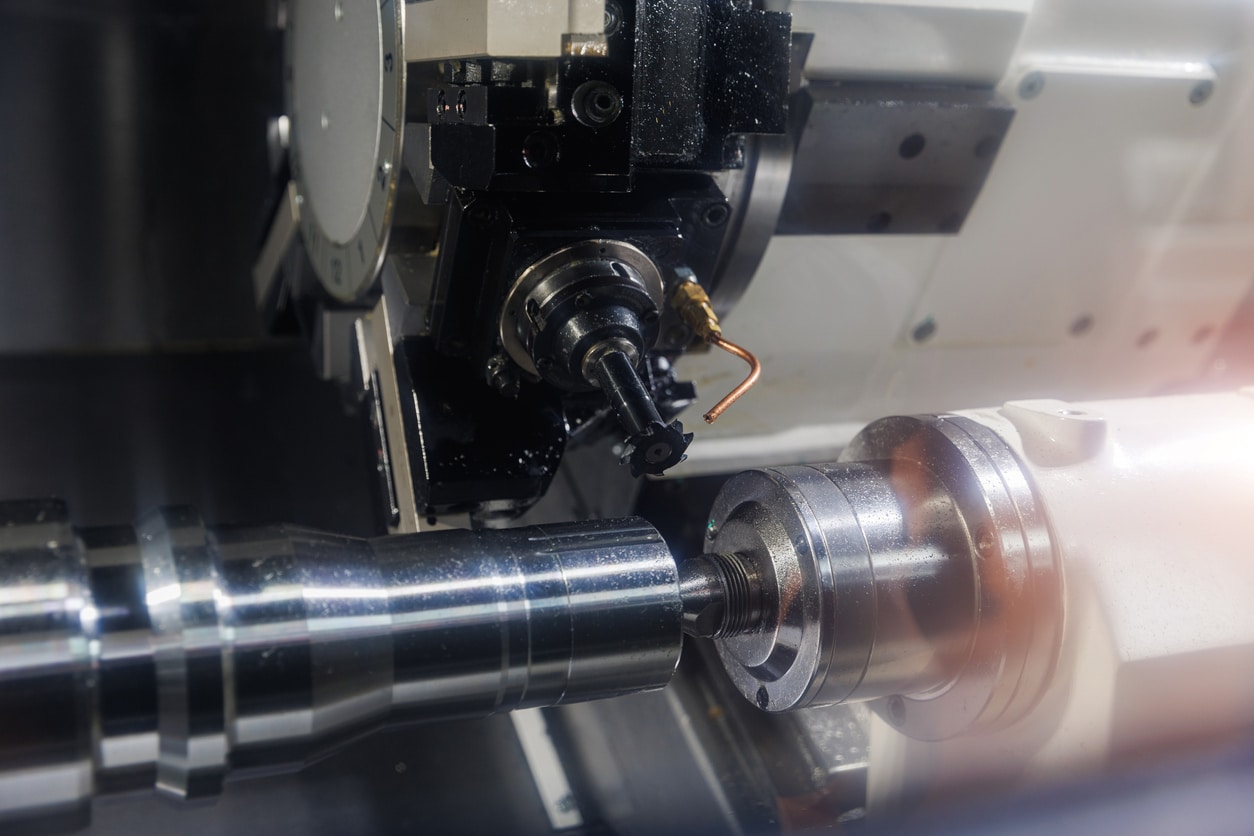
While machining hardened steel is more difficult and requires specialized tools (like carbide inserts) and slower speeds, it is a very common practice. This process is called hard milling or hard turning. It’s done precisely to achieve final dimensions and surface finishes on parts that require a high degree of hardness, such as gears or cutting tools.
Why is Ductility Important?
Ductility is important for multiple reasons, so let’s break them down:
- Machinability—As we mentioned, harder metals are more difficult to machine because they’re more brittle. Ductile steel allows you to machine your pieces faster and with greater precision, leading to shorter production times and lower costs.
- Welding – high-ductility steels are easier to weld because they are less prone to cracking and can better absorb the thermal stresses induced by the welding process. If your project involves a lot of welding, you want an alloy steel with a relatively high ductility rating.
- Safety – Another way to look at steel deformation is shock absorption. When a metal is ductile, it can absorb impacts and vibrations better than harder, more brittle materials. Also, more ductility can reduce the material’s failure rate. For example, if a beam bends before snapping, it’s easier to notice and fix the problem before it collapses.
Can You Improve the Ductility of Steel?
Specific alloy steels, like 4140, are engineered to have a beneficial balance of properties, but not that they are more ductile than non-alloy steels as a rule. By adding elements like chromium and molybdenum, the material can retain its hardness while still being highly ductile and machineable.
That said, regardless of the type of steel you’re using, you can often improve its ductility through annealing. Annealing is a similar process to hardening, but it involves heating the metal to just below its melting point. The purpose of annealing is to make the metal softer and more malleable while also removing imperfections and creating a more uniform internal structure.
One other point to keep in mind is that you can anneal and harden steel. However, while annealing can often be done repeatedly, you should only harden the material once if possible. Although that is not a hard-and-fast rule, repeated hardening can potentially lead to issues like grain growth, retained austenite, and cracking if not done carefully, making it a less desirable practice.
Although annealing and hardening can increase production costs and extend deadlines, these processes give you greater control over your manufacturing capabilities.
Which Steel Types Have the Best Balance of Hardness and Ductility?
For most applications, ranging from aerospace to industrial mining, 4140 alloy steel is one of the best options. This material has an excellent balance of hardness and ductility, thanks to its chemical composition.
This particular steel has a high carbon content, making it harder and stronger, but the addition of elements like chromium and silicone makes it more ductile and easier to machine and weld.
Your Trusted Source for Steel
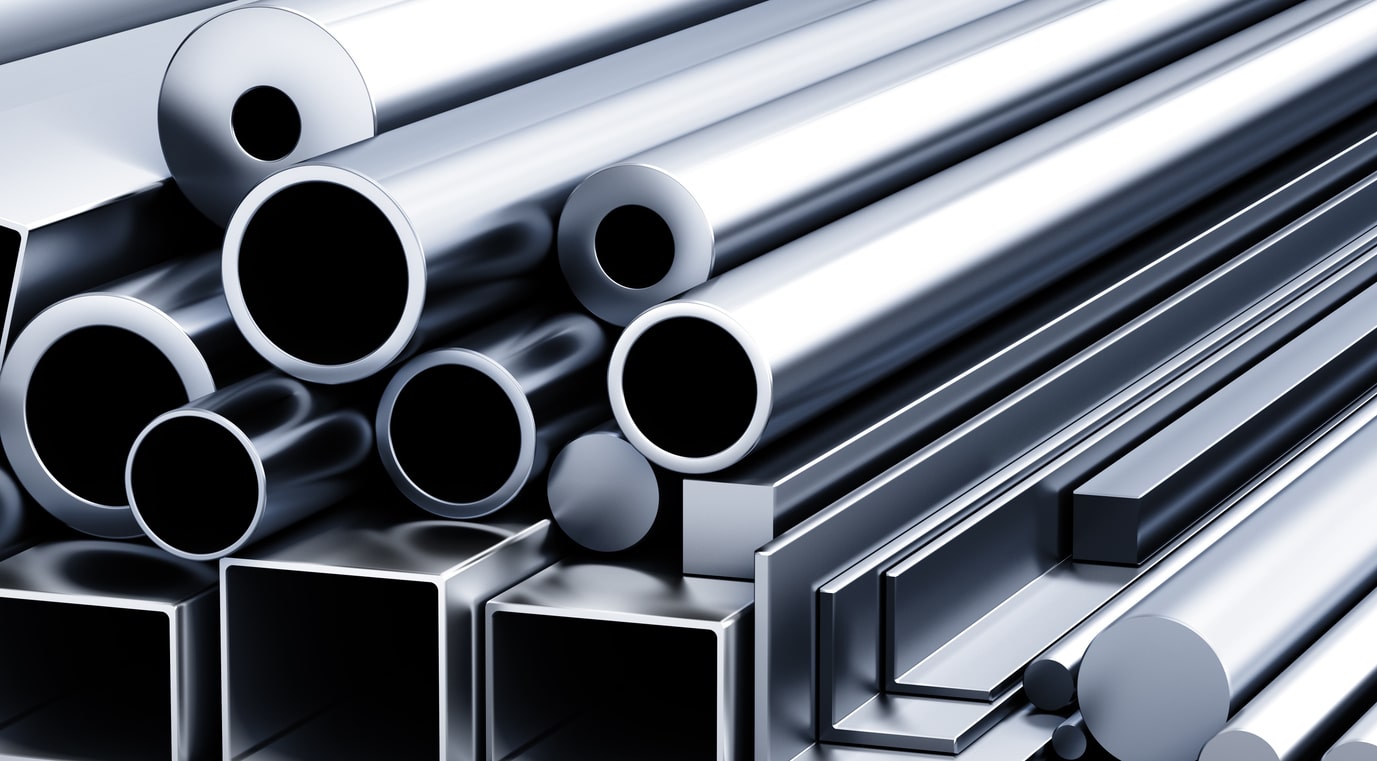
When you need 4140 or 4150 stainless steel, trust Specialty Steel as your supplier. We offer these metals in bars, sheets, and rods. We also offer custom sizing so you can spend less time machining.
Not sure which material best suits your application? Our experienced team is here to help you navigate key decisions around hardness, ductility, and performance requirements. With industry expertise and a customer-first approach, we’ll guide you to the steel product that delivers the strength, reliability, and quality your operation demands. Reach out to us today, and we can guide you through our options to find the best steel for your next project.
Related Posts