Determining the exact specifications for raw materials is one of the most critical decisions in…
The Fabricator’s Guide to Sourcing True Metric Steel Bars in North America
A drawing calls for a 25 mm steel bar, so you send a quote request to a local distributor. Everything looks straightforward until you review the paperwork and notice the material being offered is actually a 1-inch bar. That 0.40 mm difference might seem harmless, but for tight-tolerance machining, it creates unexpected headaches on the shop floor.
Substituting imperial sizes for metric designs often leads to extra lathe passes, accelerated tool wear, and scrap material. Whether you are building export equipment or repairing imported machinery, sourcing true metric steel from day one keeps your production schedule on track. To avoid costly shop-floor adjustments, fabricators can explore a wide inventory of true metric steel bar stock before committing to raw stock.
Understanding the structural differences between true metric stock and soft metric conversions gives your shop a distinct competitive edge. Procuring mill-run metric dimensions ensures your raw materials fit imported equipment drawings without secondary processing. Starting with exact dimensions protects both your tooling budgets and your delivery timelines.
Need immediate stock availability or custom cut-to-length orders for an upcoming production run? Ask Our Material Specialists!
True Metric vs. Soft Metric Conversions
True metric steel is manufactured directly to millimeter dimensions at the steel mill rather than converted from standard inch sizes. A 25 mm bar is rolled and cold-drawn specifically as a 25 mm bar from start to finish. This distinction is vital because many North American metal yards primarily stock imperial products and default to approximate conversions.
Seeing a millimeter measurement on a distributor’s quote does not automatically mean the bar was manufactured to that metric dimension. Distributors frequently list imperial sizes alongside approximate millimeter conversions purely for customer convenience. Buying true Metric steel bar stock ensures the physical material matches the engineering drawing without forcing extra machining steps.
Clarifying raw stock specifications early in the procurement cycle saves estimating time and prevents shop-floor confusion. Asking whether the material is produced to true metric dimensions or sold as an imperial substitute eliminates miscommunication before production begins. Taking time to verify true metric origin eliminates costly secondary turning operations before production begins.
- Soft Metric Conversions: Standard imperial bars mathematically labeled as millimeter equivalents (e.g., 1.00 inch = 25.40 mm).
- True Metric Manufacturing: Raw steel rolled and drawn directly to exact metric nominal dimensions at global specialty mills.
- Fit Integrity: Prevents interference binding in ISO-standard sliding fits, bearings, and hydraulic couplings.
Why Starting Bar Size Impacts Machining Costs
Since steel is frequently machined anyway, starting with slightly oversized raw bar stock might not seem like a critical issue. However, every millimeter of unnecessary material must be turned into chips, adding machine time and burning through expensive cutting inserts. Over a high-volume production run, those extra lathe passes quickly compound into thousands of dollars in lost shop productivity.
There is also a physical risk when peeling away the outer layer of cold-finished steel bars. Outer diameter turning redistributes internal residual stresses created during cold drawing, often causing long, thin bars to warp out of straightness. Starting with pre-sized True Metric steel maintains structural stability, protects cutting tools, and keeps parts straight.
Not every fabrication project requires strict metric stock, as non-critical framing often offers plenty of tolerance flexibility. However, for precision machinery, hydraulic cylinders, and imported equipment, exact metric stock is essential for proper assembly fit. In tight-tolerance mechanical assemblies, even minor dimensional mismatches can cause severe binding, galling, or premature component failure.
- Lower Tooling Expense: Reduces wear on expensive carbide inserts by eliminating unnecessary outer-diameter turning passes.
- Minimized Warping: Preserves internal stress balance, preventing thin shafts from bending during outer surface removal.
- Reduced Cycle Times: Speeds up production runs by letting machinists focus directly on key features rather than sizing down stock.
Looking for hard-to-find metric diameters or specialized tolerances for an upcoming job? Connect with the Technical Sales Team.
How to Properly Specify Metric Steel Bars
Simply requesting a “30 mm steel bar” leaves too many variables open to interpretation by material distributors. Two bars with identical outer diameters can behave entirely differently depending on their grade, finish condition, and manufacturing tolerances. Providing comprehensive specifications upfront helps your supplier quote the correct product on the very first try.
Start with the engineering drawing rather than whatever stock happens to be sitting on a distributor’s rack. Review nominal diameters, surface finishes, and necessary tolerances to determine how much machining allowance your shop realistically needs. This helps separate non-negotiable drawing requirements from areas where your shop has dimensional flexibility.
Not all Metric steel bars are delivered in the same physical condition, so choose based on your post-delivery plans. Standard cold-drawn bar stock works well for routine machining, while Turned, Ground & Polished (TG&P) shafting delivers superior dimensional consistency for shafts and bearings. Balancing stock finish with your actual machining steps protects your project budget without sacrificing final quality.
- Exact Outer Diameter: Specify the precise nominal millimeter dimension (e.g., 30 mm round).
- Material Grade: Cross-reference international material grades (e.g., European EN C45 vs. AISI 1045).
- ISO Tolerance Class: Define necessary fit tolerances (e.g., cold-drawn h9 or TG&P h6).
- Bar Finish & Condition: Clarify surface requirements such as cold-drawn, turned, or ground and polished.
- Certification Needs: Indicate whether you require EN 10204 Type 3.1 chemical and mechanical mill test reports.
Grade Equivalents, Quality, and Total Cost
European and Asian engineering drawings often specify steel grades that seem unfamiliar to North American procurement teams. While domestic grades like AISI 1018 or 1045 are frequently offered as equivalents, subtle metallurgical differences still exist. For example, substituting low-carbon structural steel for medium-carbon machinery steel can lead to strength issues or weld cracking if pre-heating is ignored.
When material documentation is required for quality control or regulatory compliance, always secure certifications before material dispatches. An EN 10204 Type 3.1 Mill Test Certificate provides certified chemical ladle analysis and physical strength testing tied to the specific melt heat. Working with an experienced Metric metal supplier ensures you receive fully traceable material backed by the exact documentation your customer expects.
Instead of asking for the lowest price per pound, consider which raw material option brings your component to completion most efficiently. Combining raw material pricing with internal shop processing costs gives you an accurate view of overall project economics. Choosing true metric stock reduces machining steps, frees up CNC capacity, and prevents unexpected shop bottlenecks.
Essential Sourcing Checklist for Fabricators
- Confirm True Metric Origin: Ask your vendor if the stock is rolled directly to metric dimensions or converted from inch stock.
- Review ISO Fit Tolerances: Check whether your drawing calls for standard cold-drawn tolerances (h9/h11) or precision shafting limits (h6/h7).
- Approve Grade Substitutions: Have your technical or engineering team verify proposed North American material equivalents before ordering.
- Require Mill Test Reports: Request EN 10204 Type 3.1 certificates upfront to guarantee material heat traceability.
- Inspect Upon Arrival: Measure outer diameters and check bar-end color codes during receiving to prevent shop floor mix-ups.
Source the Steel That Makes the Job Easier
True metric steel may not be necessary for every casual framing project, but when a component is engineered around precise millimeter dimensions, starting with genuine metric stock is the smartest choice you can make. It eliminates unnecessary lathe passes, prevents stress-relief warping on long shafts, reduces scrap rates, and keeps your CNC spindles running productively.
Instead of accepting approximate imperial substitutes simply because they sit on a local rack, make material purchasing a deliberate engineering strategy. Partnering with a specialized supplier that understands international tolerances, global material grades, and heat traceability guarantees that your parts are manufactured as intended every single time.
Ready to streamline your metric supply chain and eliminate extra machining waste? Specialty Steel is here to help you identify exact metric bar options and deliver mill-certified stock directly to your facility.
Frequently Asked Questions
What Are Standard Delivery Lengths for Imported Metric Steel Bars?
Cold-drawn metric carbon steel bars are typically supplied in standard 3-meter or 6-meter lengths, while metric stainless steel rounds often arrive in 4-meter lengths (approx. 13.1 feet). Always verify length allowances with your supplier if your cutting plan relies on specific yields per bar.
How Does Color-Coding on Bar Ends Help Prevent Shop Floor Mix-Ups?
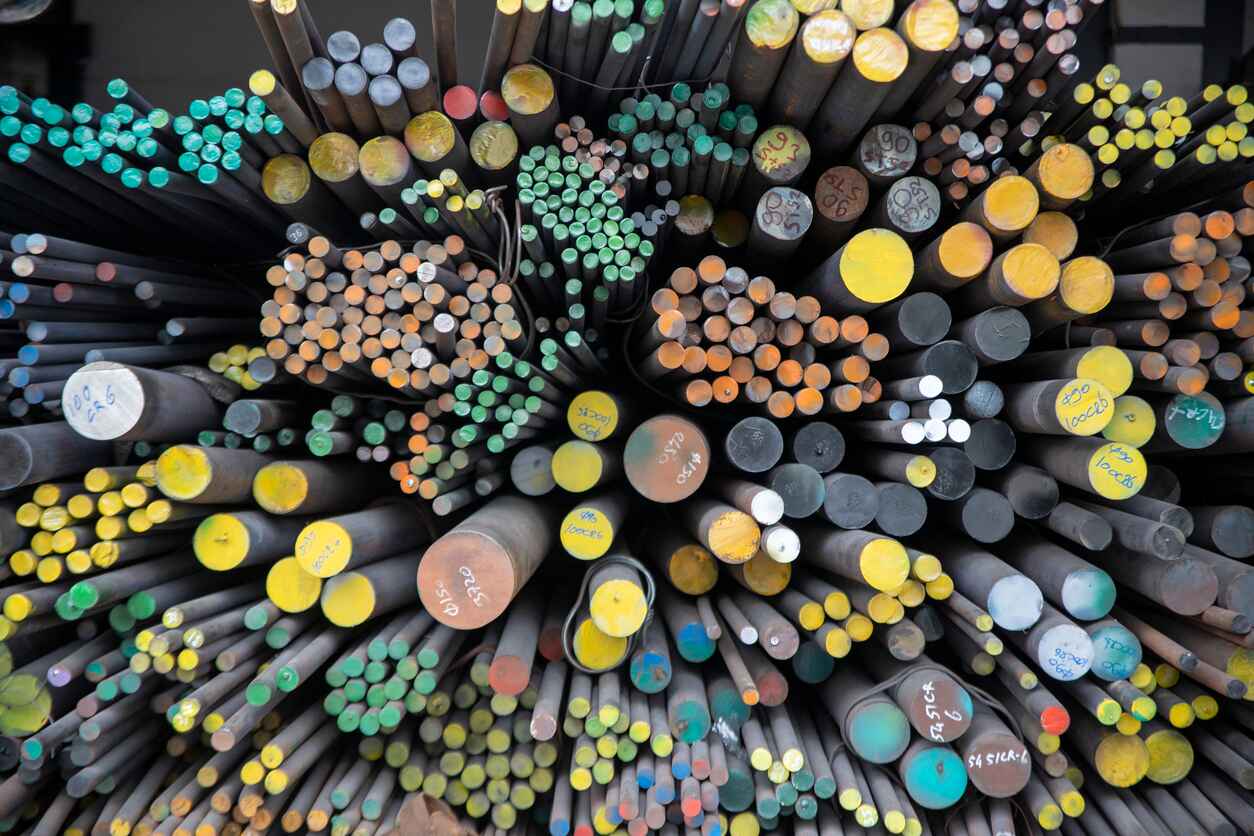
Major metric metal suppliers use standardized paint colors on bar ends (such as yellow for 303 stainless or blue for 304 stainless) as a visual Poka-Yoke control. This prevents machine operators from accidentally loading incorrect material grades into automated CNC lathes or saws.
What Should Our Shop Do If Material Test Certificates Are Lost After Delivery?
Contact your distributor immediately with the heat number stamped or tagged on the physical bar stock. Reliable suppliers archive EN 10204 Type 3.1 mill test certificates by heat number, allowing them to re-issue official documentation without delaying your production run.
Related Posts