When designing and maintaining high-pressure systems, the integrity of your connections is paramount. In industries…
Efficiency by Design: How Strategic Material Sourcing Reduces Shop Waste
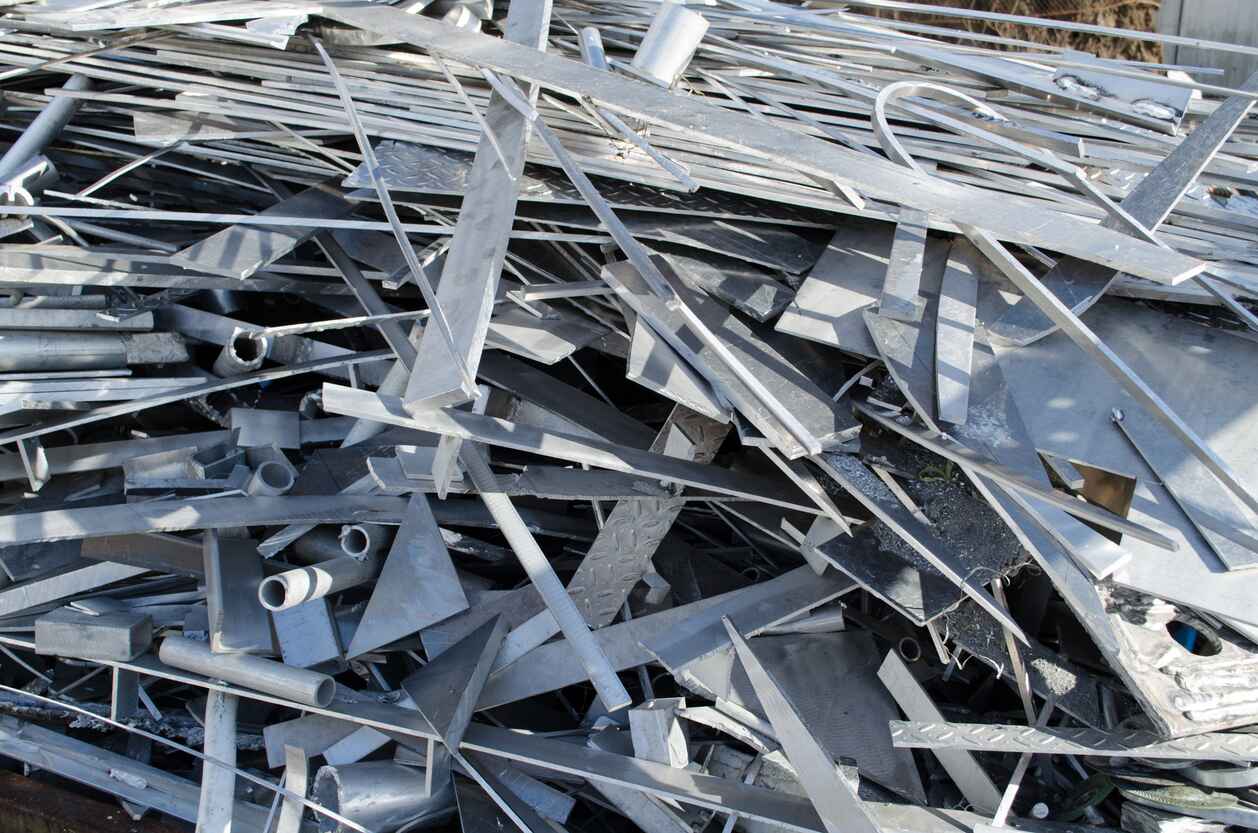
Walk into any busy custom manufacturing shop, cabinet maker, or fabrication garage, and your eyes will likely drift to the same spot: the scrap bin. It is usually overflowing with awkward offcuts, expensive hardwood strips, mismatched metal sheets, and pristine chunks of raw material that are just an inch too short to be useful. To many shop managers, that bin is just an accepted cost of business, a sort of inevitable tax on custom work. But it doesn’t have to be.
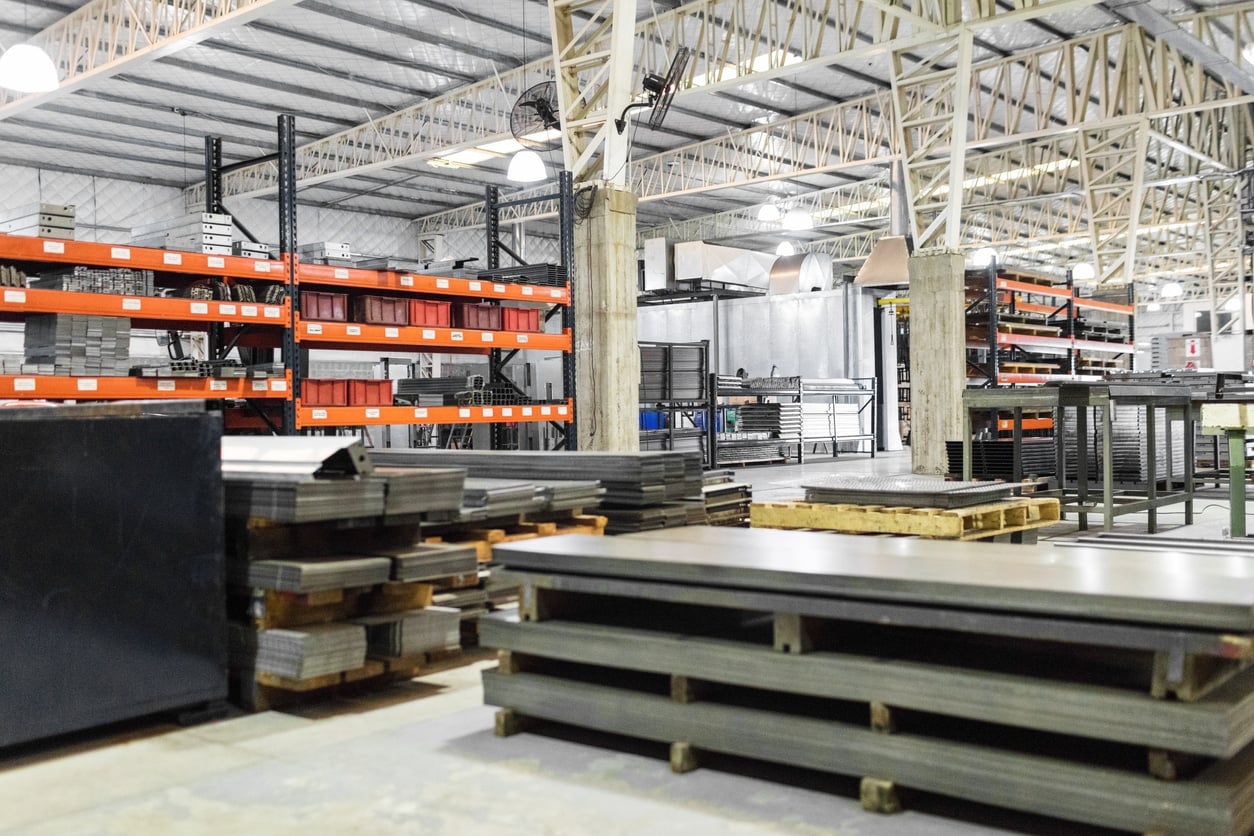
When you look at waste through the lens of modern design and manufacturing, you realize that shop waste is a lagging indicator of poor planning. It is not an inevitability, it is a design flaw. By shifting the focus upstream and integrating industrial steel sourcing and strategic material logistics directly into the design process, shops can dramatically cut overhead, streamline production, and shrink their environmental footprint.
Here is how smart businesses are using efficiency by design to stop waste before it ever hits the shop floor.
1. The Cost of the “Design First, Source Later” Mentality
The traditional manufacturing pipeline is linear. A designer drafts a product based on aesthetic appeal or theoretical function. The engineering team refines the dimensions, and the blueprints are handed off to procurement. Procurement then tries to find materials that match those exact specs.
This siloed approach creates massive inefficiencies:
- The Fractional Waste Trap: A designer drafts a beautiful custom shelving unit that is 50 inches wide. Procurement orders standard 8-foot (96-inch) sheets of plywood. When the shop cuts the 50-inch piece, they are left with a 46-inch offcut. Unless another project calls for that exact size, that 46-inch piece represents a 48% material waste that the shop paid for but cannot sell.
- Dimensional Mismatches: Ordering raw lumber or steel in arbitrary lengths forces shop hands to spend valuable time “rough cutting” just to get materials onto the CNC machine or saw bed, generating piles of unusable sawdust and shavings.
- Storage Overhead: The bigger the scrap bin, the more square footage you lose to organizing, storing, and eventually throwing away material.
Strategic sourcing flips this legacy model on its head. Instead of designing a product and forcing the material to fit, savvy shops analyze what materials are readily, affordably, and sustainably available, and then design the product around those specific dimensions.
If you are ready to eliminate dimensional mismatches and fractional waste, get a quote on steel materials tailored directly to your production blueprints.
2. Standardizing Dimensions to Eliminate Offcuts
The quickest way to eliminate waste is to align your product dimensions with standard market raw material sizes. This is often referred to as modular design optimization.
If you are manufacturing with sheet goods (like Baltic birch, MDF, or sheet metal), your canvas is typically a 4×8 foot or 5×5 foot grid. Designing components that are clean-multiples or perfect fractions of these dimensions ensures that your yield approaches 100%.
| Product Component Size | Standard Sheet Coverage (48″ x 96″) | Material Yield | Waste Status |
| 23.5″ x 47″ | Fits exactly 4 pieces per sheet (with kerf allowance) | ~98% | Highly Efficient |
| 25″ x 50″ | Fits only 1 piece per sheet | ~54% | Critical Waste |
| 11.75″ x 23.5″ | Fits exactly 16 pieces per sheet | ~97% | Highly Efficient |
What is Kerf? Never forget to account for the kerf, which is the width of the saw blade or laser beam cutting through the material. A standard table saw blade removes 1/8 inch of material with every pass. If you design two 24-inch parts out of a 48-inch sheet, the kerf will make your second piece short. Designing at 23.75 inches solves this instantly.
By collaborating with material vendors early, designers know exactly what stock sizes are running on the supplier’s production lines. If a supplier can deliver pre-cut blanks or has an overstock of a non-standard size at a discount, the design team can adapt the product blueprint before a single machine is turned on.
3. Leveraging Nesting Software and Sourcing Integration
True strategic sourcing relies heavily on digital integration. Modern Computer-Aided Manufacturing (CAM) software utilizes advanced nesting algorithms to arrange parts on a sheet of material like a complex game of Tetris.
However, nesting software is only as good as the inventory data fed into it. When strategic sourcing is integrated into the shop’s tech stack, the nesting engine doesn’t just look at standard 4×8 sheets. It looks at the actual live inventory of odd-sized remnants already sitting in the shop racks, or checks what unique dimensions a local supplier has in stock.
By designing parts with rotational symmetry or small “filler parts” (such as brackets, tabs, or small promotional items) that can fit into the empty gaps of a larger layout, shops can push their material utilization past 95%. Sourcing then transitions from buying bulk raw materials to buying targeted kits optimized for the nesting software.
4. Supplier Co-Development and Pre-Fabricated Sourcing
Why do all the processing in your shop if a supplier can do it more efficiently? Supplier co-development involves partnering with vendors to shift the initial material preparation upstream.
For instance, sourcing raw, rough-sawn lumber requires the shop to joint, plane, and rip the wood to size, creating massive amounts of wood waste and labor hours. Sourcing S4S (Surfaced on Four Sides) lumber or dimensionally specified blanks shifts that waste back to the mill, which is uniquely equipped to recycle bulk sawdust and offcuts into secondary products like pellets or particleboard.
Strategic Sourcing Options Compared:
- Raw Stock: Lowest material cost, but highest shop labor, highest waste generation, and unpredictable yield.
- Near-Net-Shape Sourcing: Sourcing materials that are cast, extruded, or pre-cut incredibly close to the final product shape. While the initial purchase price per pound is higher, the shop eliminates machining steps, cuts tool wear, and reduces scrap to near zero.
- Just-In-Time (JIT) Kitting: Sourcing pre-sorted, pre-cut kits directly from the vendor for specific production runs. The materials arrive exactly when needed, ready for assembly or minor finishing, completely bypassing the scrap phase.
5. Designing for Material Substitution
Strategic sourcing also requires agility. If a specific material grade becomes scarce or expensive, production shouldn’t stall, nor should waste increase because the shop had to settle for an awkwardly sized alternative.
Efficiency by design means building material substitution protocols right into the engineering prints. For example:
- Can a component engineered for a specific thick-gauge steel be redesigned with a ribbed structure using a thinner, more readily available sheet gauge?
- Can a solid wood core be substituted for a lightweight, structurally sound engineered ply with a premium veneer?
If you need to pivot your materials quickly, you can explore our complete steel product catalog to find the exact dimensions and grades your design team requires.
By sourcing materials that are multi-functional or cross-compatible over several product lines, shops can reduce the variety of inventory they carry. Holding fewer, more versatile material types means bulk purchasing power goes up, tracking becomes simpler, and leftover pieces from Project A can immediately be sourced as the raw material for Project B.
6. Closing the Loop: Internal Upcycling and Circular Sourcing
Even with impeccable design and brilliant sourcing, a baseline level of waste will always exist. The final frontier of strategic sourcing is establishing a closed-loop ecosystem inside your facility.
If your primary product line generates consistent 6-inch circular drop-outs from a CNC router, don’t toss them. A strategic design team will create a secondary product line, perhaps a line of coasters, component handles, or mounting brackets, specifically engineered to source its raw material directly from the primary line’s scrap bin.
When you treat your scrap bin as an internal material source rather than a waste stream, your margins skyrocket. You have already paid for the material and the freight to get it to your door; any sellable item produced from it is essentially pure profit.
Strategic Design Drives Efficiency
Reducing shop waste is fundamentally not a janitorial task or a shop-floor policing issue. It is a strategic design initiative.
When design teams work hand-in-hand with procurement and specialized partners like Specialty Steel, magic happens. Industrial steel sourcing transforms from a simple transactional purchase into a collaborative process where raw dimensions match production intent perfectly. As a result, products become easier to build, material costs drop dramatically, and production throughput speeds up because workers aren’t constantly fighting material mismatches or digging through scrap piles.
By embracing efficiency by design and strategic material sourcing, manufacturing shops can transform their operations from messy, high-waste environments into lean, highly profitable, and sustainable competitive engines. Stop managing your waste: design it out of existence. To get started, talk to our steel experts now.
Related Posts